
Rose
Do you see white flakes on your shoulders or have frequent itching on your scalp? If so, you may have dandruff. This can be annoying, but with mild care and a gentle routine, you can often get your scalp feeling comfortable again.
How can you recognize dandruff in your hair?
Dandruff is often accompanied by flaking and sometimes a sensitive scalp. Many people recognize it by:
- white or yellowish flakes on the scalp, hair or clothing;
- itching or sensitive scalp;
- hair that feels less fresh, even shortly after washing;
- a taut or dry feeling on the scalp.
Sometimes the flakes are clearly visible; sometimes it is mainly itching or irritation. Dandruff can also resemble other scalp problems, such as a very dry scalp or sensitive skin.
What causes dandruff?
Dandruff can have several causes and is often caused by a combination of factors:
- A natural yeast (Malassezia) found on the scalp;
- A sensitive or unbalanced scalp;
- strong cleansing shampoos or lots of styling products;
- stress, hormonal changes or environmental factors.
When the scalp renews faster than normal, more visible flakes may appear.
What should you avoid doing if you have dandruff?
Some habits can add irritation to the scalp:
- Use very hot water when washing;
- Use shampoos with strong cleansers or lots of perfume;
- scratching hard when itching;
- Apply many styling products directly to the scalp.
With dandruff, it can help to care for the scalp as gently as possible.
Natural products that may be suitable for dandruff
The products listed below are cosmetic care products intended to care for hair and scalp. They are not intended to treat or cure medical conditions. Always consult a doctor or dermatologist if symptoms persist.
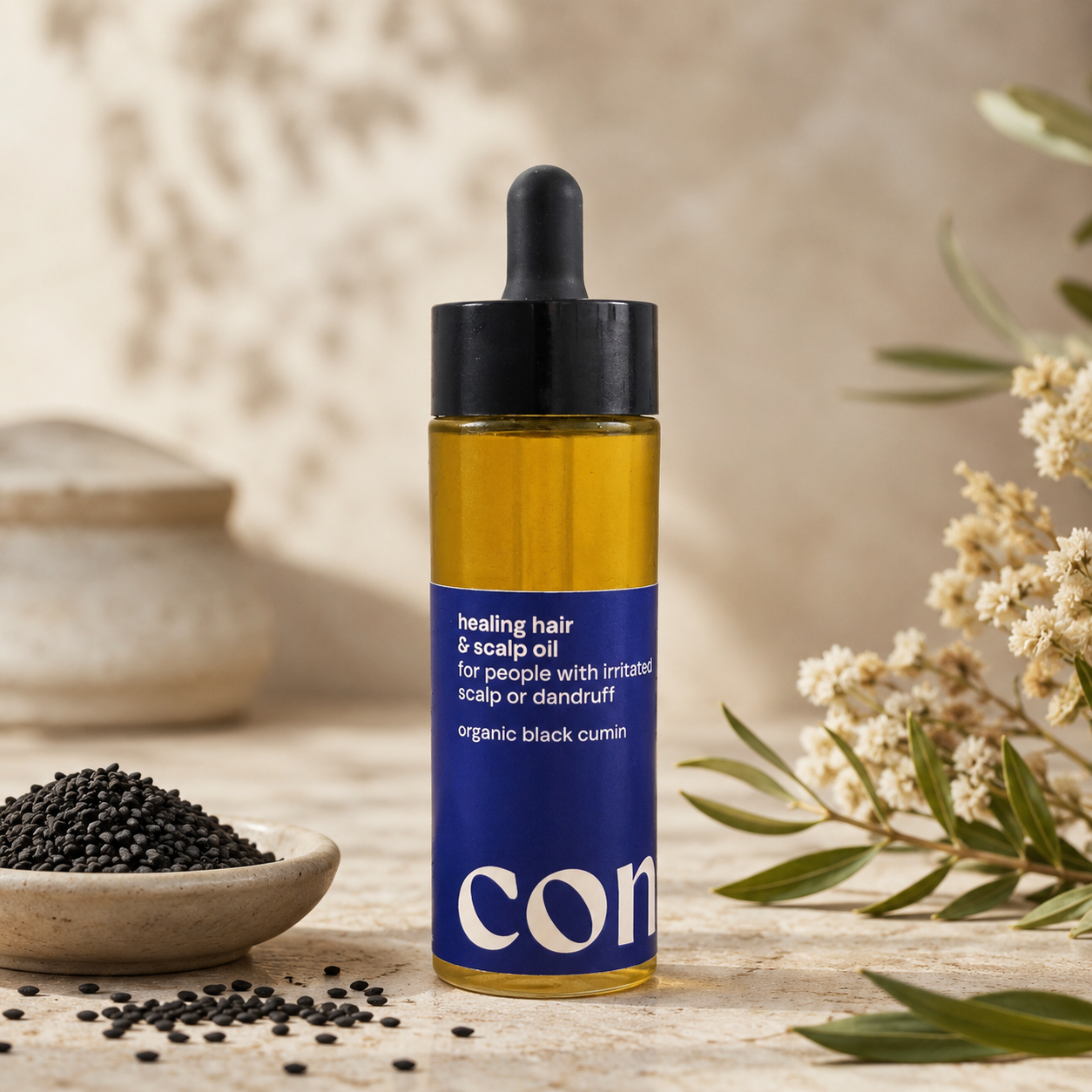

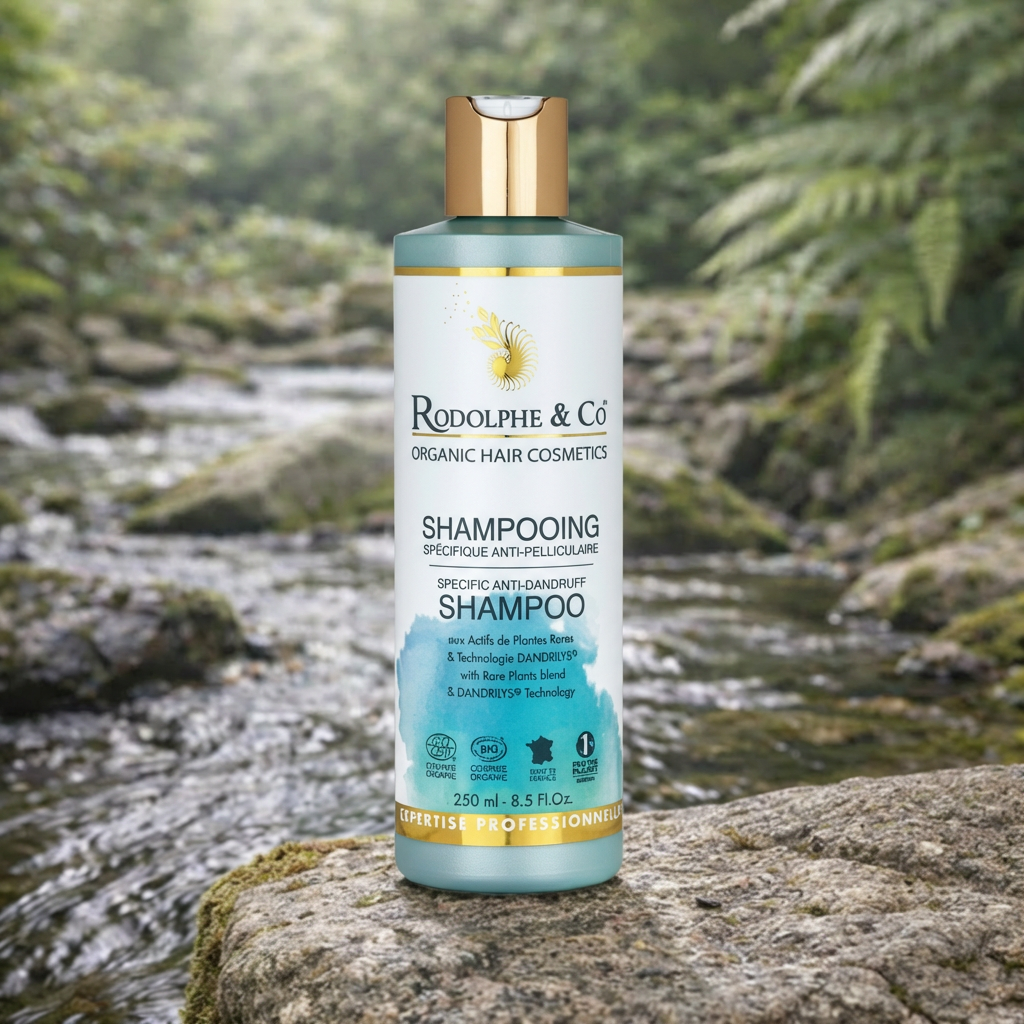
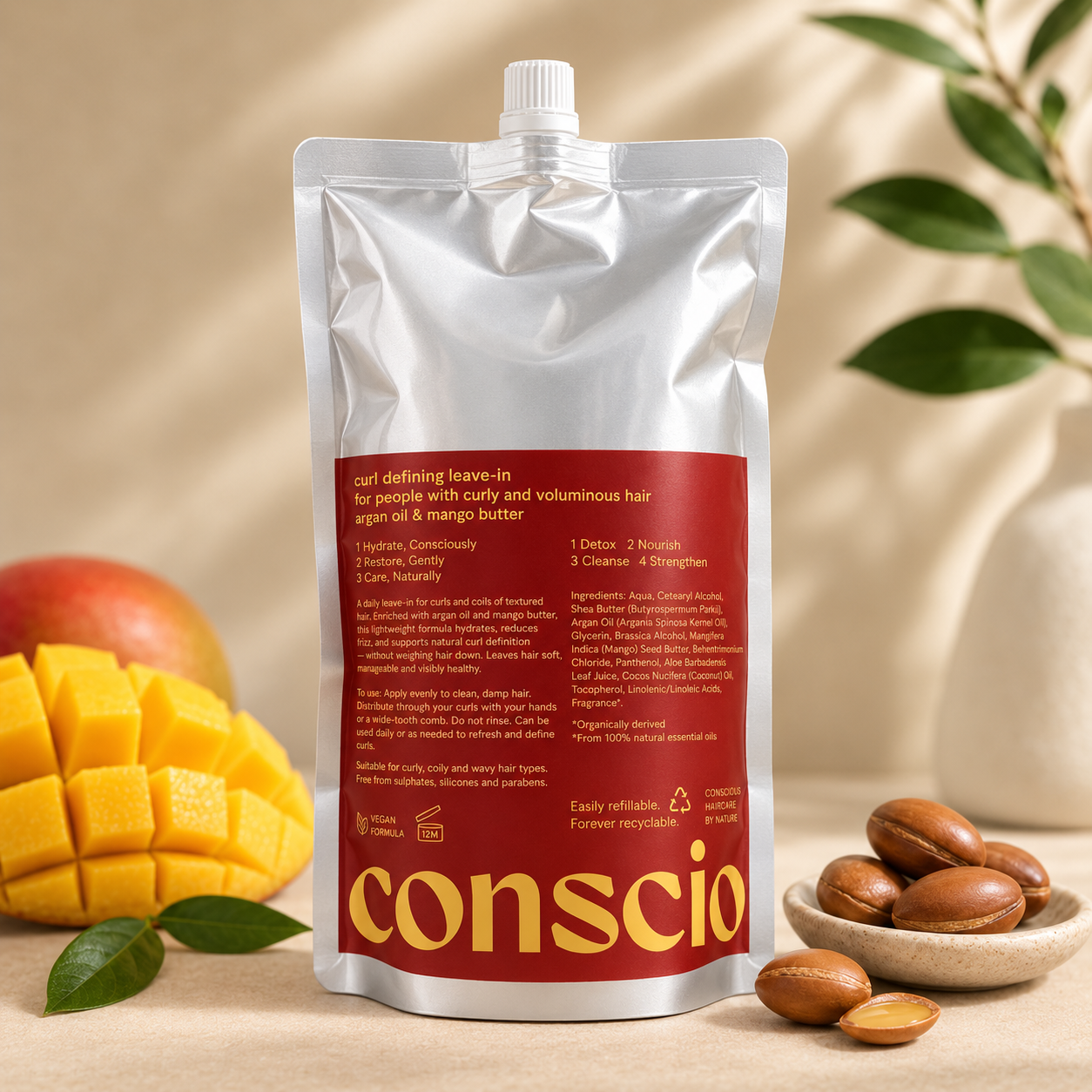


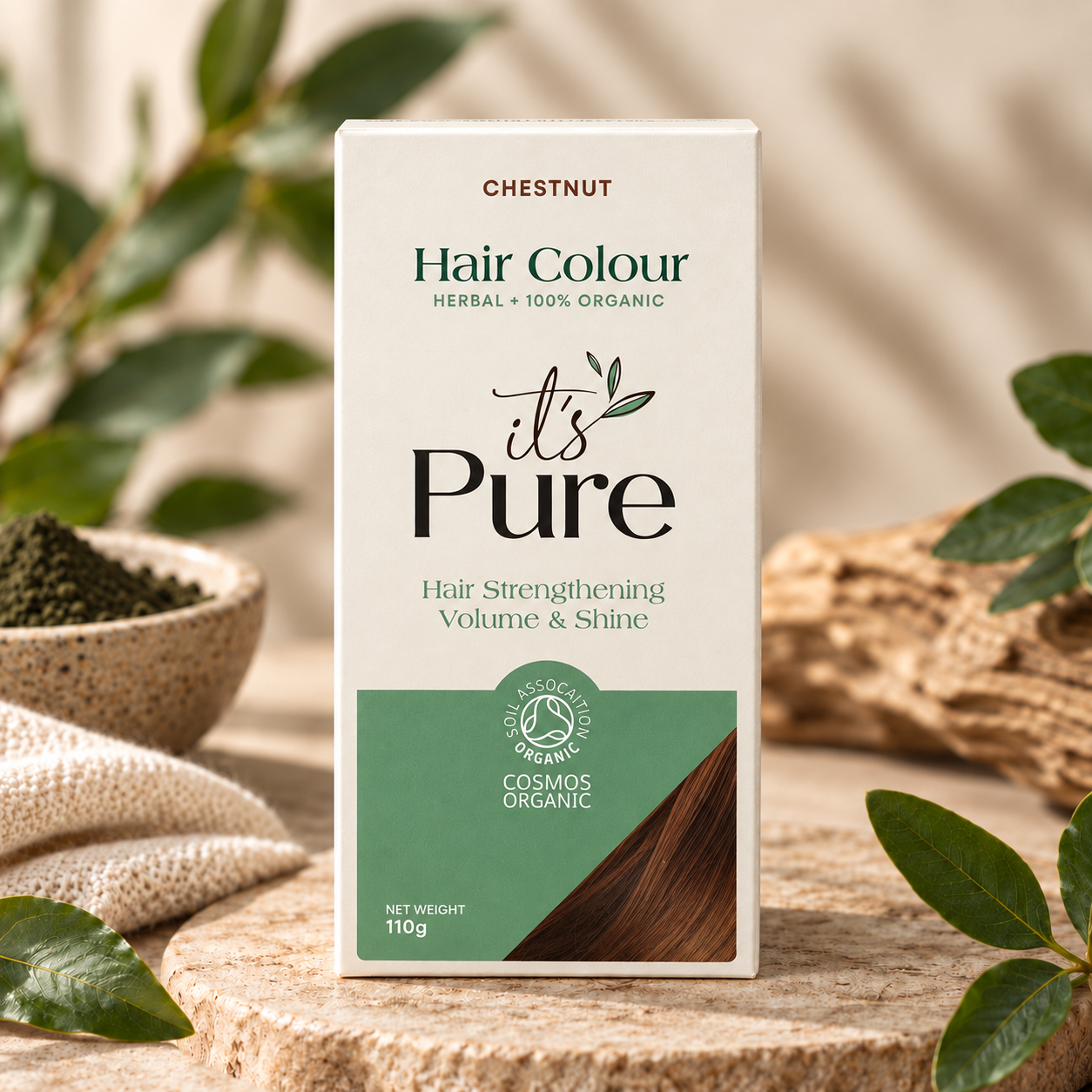
The products above have been selected for their suitability for flaky, itchy or sensitive scalps. They cleanse gently and are designed to leave the scalp feeling comfortable.
How to use skin care products for dandruff
- Massage shampoo gently with your fingertips.
- Allow shampoo to soak in briefly before rinsing out.
- Rinse carefully so that no residue remains.
- Use conditioner especially in the lengths and ends.
- Keep your routine consistent for a while.
When is it wise to pay extra attention?
Pay extra close attention to:
- severe itching or painful areas;
- large, greasy flakes;
- Wounds or bleeding from scratching;
- complaints that do not improve.
In that case, it may be wise to consult a doctor or dermatologist.
Read also:
Itchy scalp
Sensitive scalp
Flakes
Oily hair
Dry hair
Conclusion: mild care can help flaky scalp
If your scalp is sensitive or flaky, a gentle skincare routine can help your scalp feel calmer. Choosing products that suit your scalp type often keeps your hair fresher and more comfortable.
Do you suffer from flaky or itchy scalp? Choose a mild care above that may be suitable for a sensitive scalp.