
Seborrheic dermatitis
Do you suffer from persistent flaking, redness and itching on your scalp that just doesn't seem to go away? If so, you may have seborrheic dermatitis. This is a skin condition where the scalp reacts more sensitively and may show more flaking and irritation than normal. This can feel uncomfortable and sometimes visible, but with gentle and mild care, you can often make your scalp more comfortable.
What is seborrheic dermatitis?
Seborrheic dermatitis is a chronic skin condition in which the skin and sebaceous glands react differently than average. This can cause a combination of redness, scaling and itching, often in areas with many sebaceous glands, such as the scalp, eyebrows and nasolabial folds.
It sometimes resembles common dandruff, but can be more persistent and is more often accompanied by redness and sensitivity of the skin.
How can you recognize seborrheic dermatitis on the scalp?
Seborrheic dermatitis can often be recognized by:
- yellow or whitish flakes that recur frequently
- redness and sensitive areas on the scalp
- itching or burning sensation
- areas that sometimes feel oily and sometimes dry
- complaints that vary in severity, for example due to stress or cold weather
What can trigger seborrheic dermatitis?
The exact cause is not always clear, but often several factors play a role:
- a sensitive skin barrier
- sebaceous skin areas where microorganisms grow easily
- stress and fatigue
- cold, dry air or strong temperature changes
- products with irritating ingredients such as lots of perfume or strong cleansers
What should you avoid if you have seborrheic dermatitis?
Because the skin may react more sensitively, it may help to avoid:
- hot showers and blow drying directly on the scalp
- scratch or peel off flakes
- shampoos with a lot of perfume, alcohol, or strong sulfates
- use many different products at the same time
- very frequent or aggressive cleansing of the scalp
Gentle care for seborrheic dermatitis
Hair care products cannot treat the condition itself, but mild care can help keep the scalp more comfortable and less irritated.
The products listed below are cosmetic care products that may be appropriate for a sensitive or irritated scalp. They are not intended to treat or cure medical conditions. If symptoms persist, always consult a doctor or dermatologist.
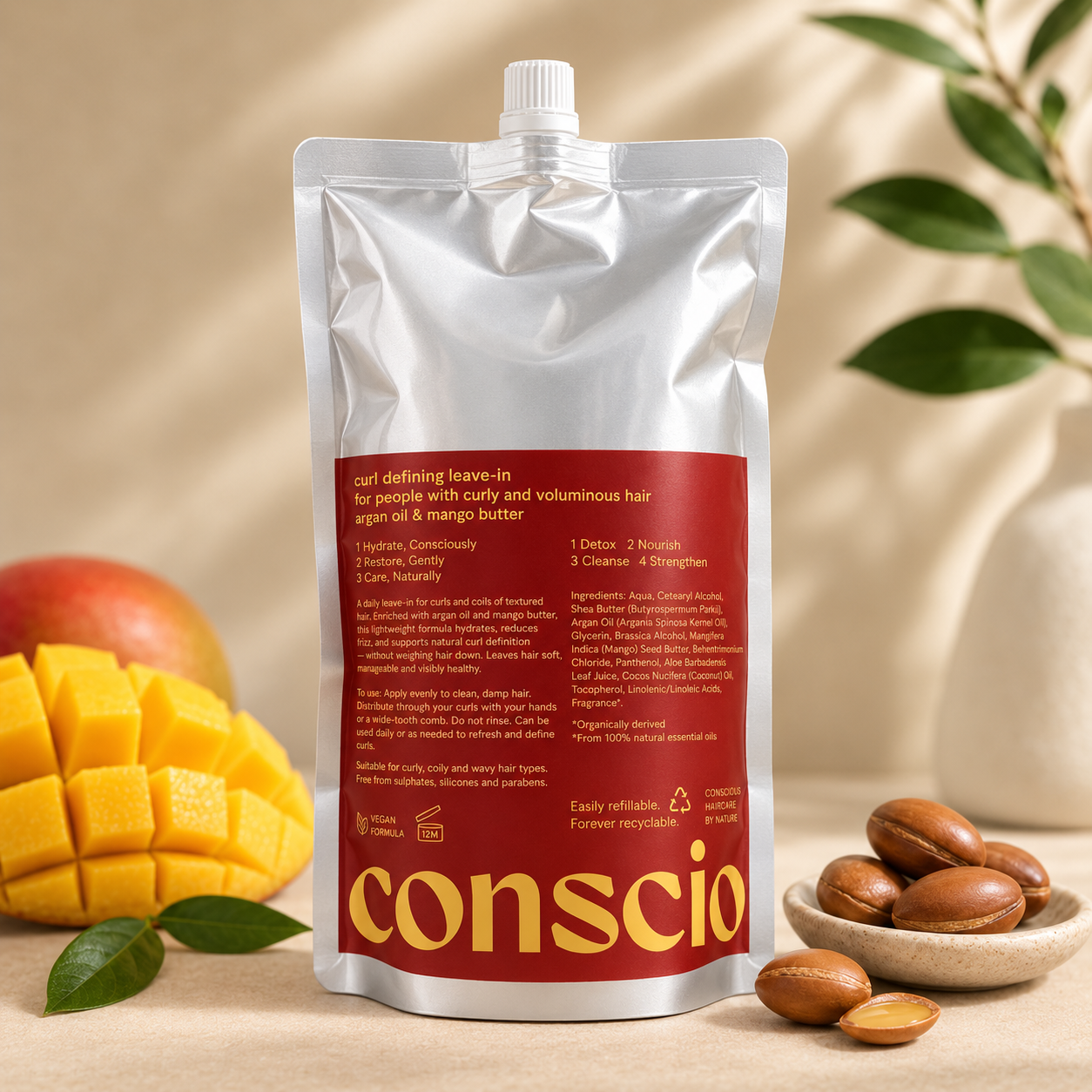


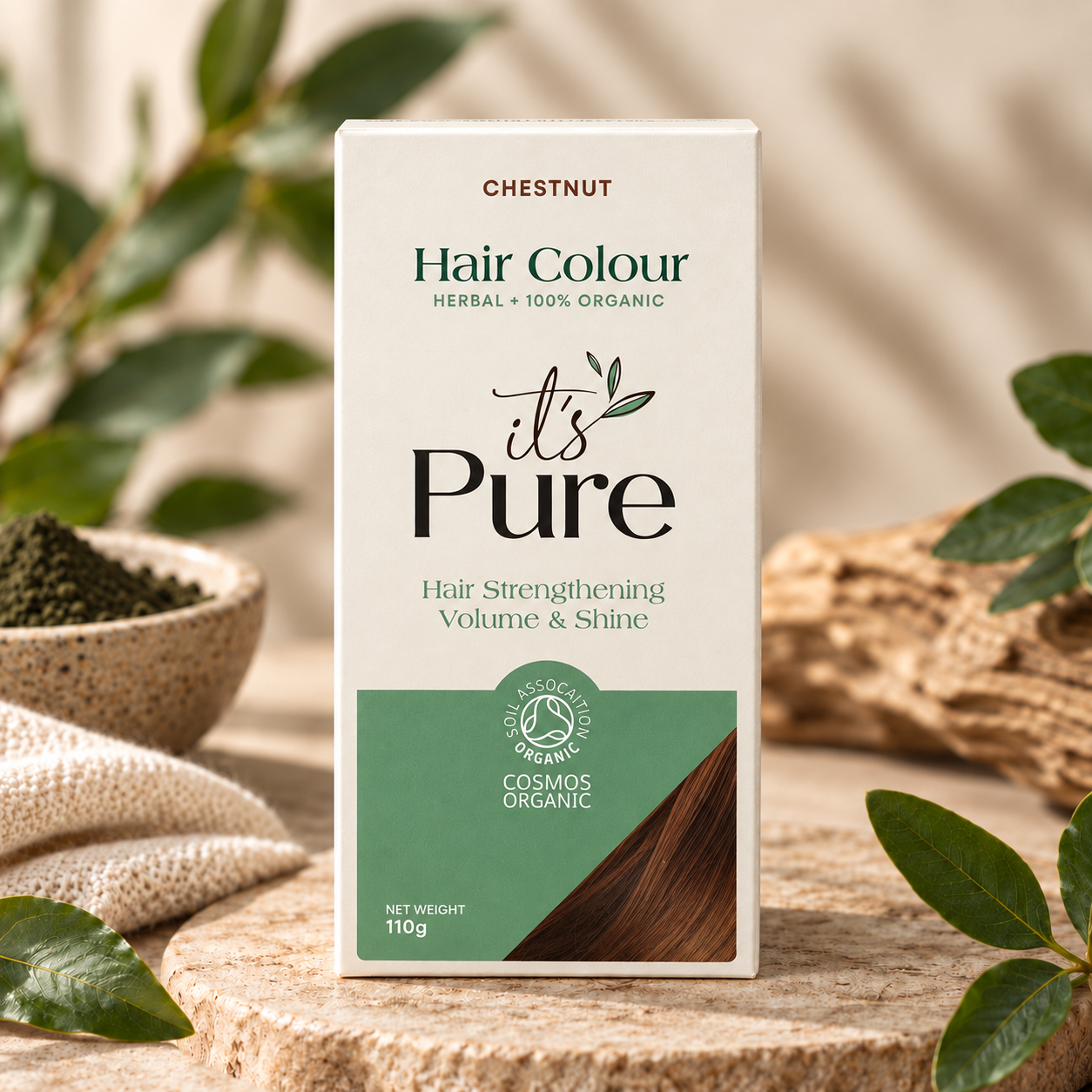
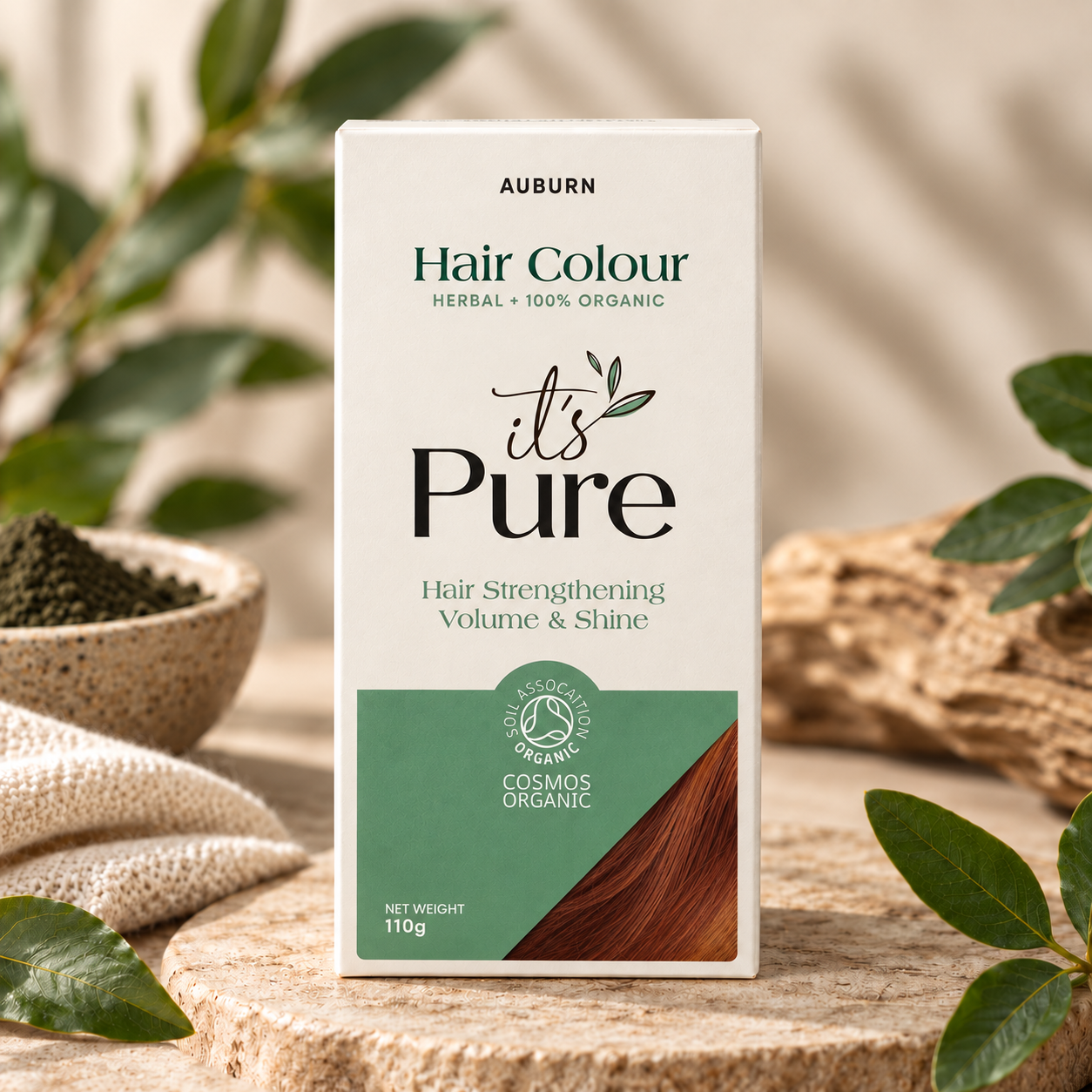
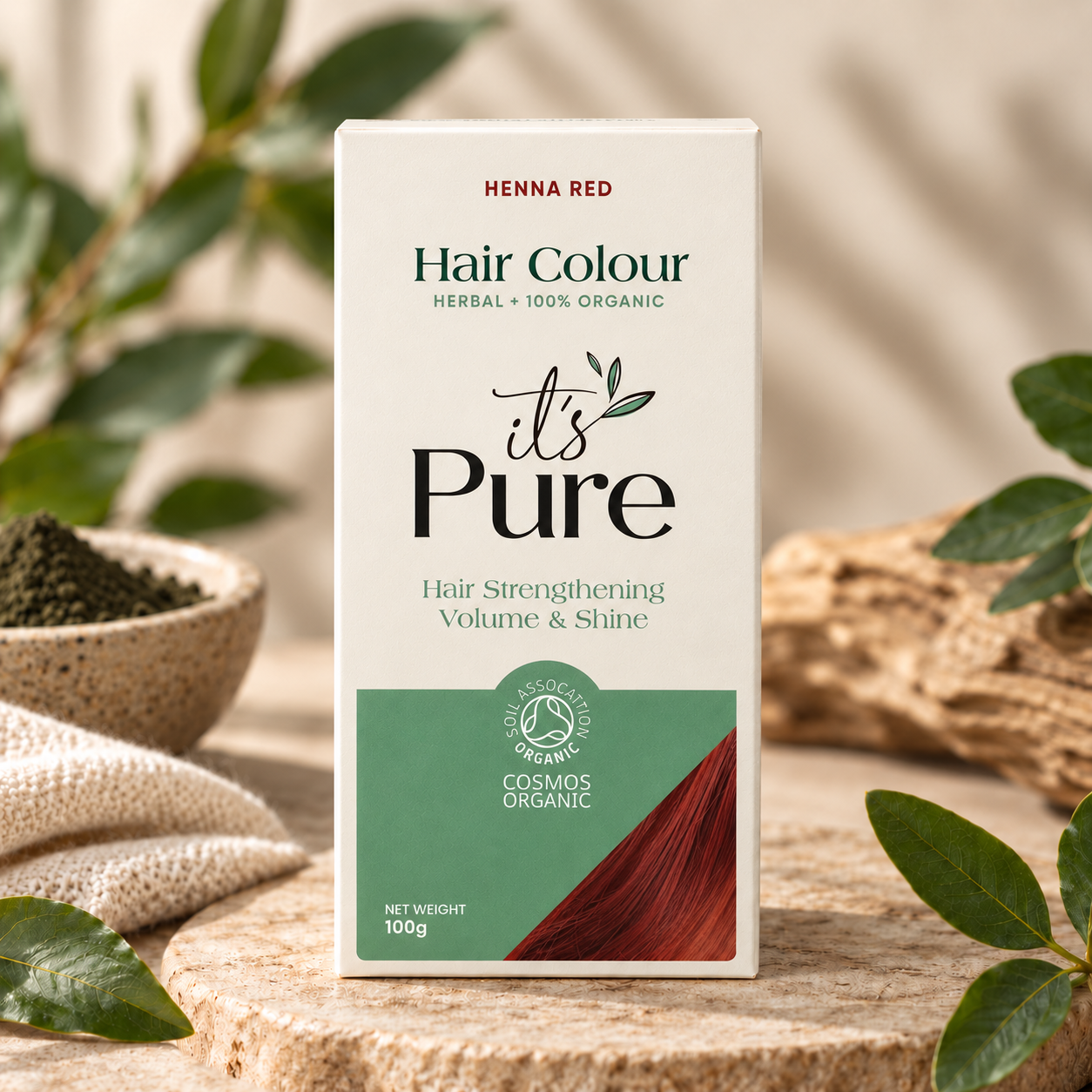
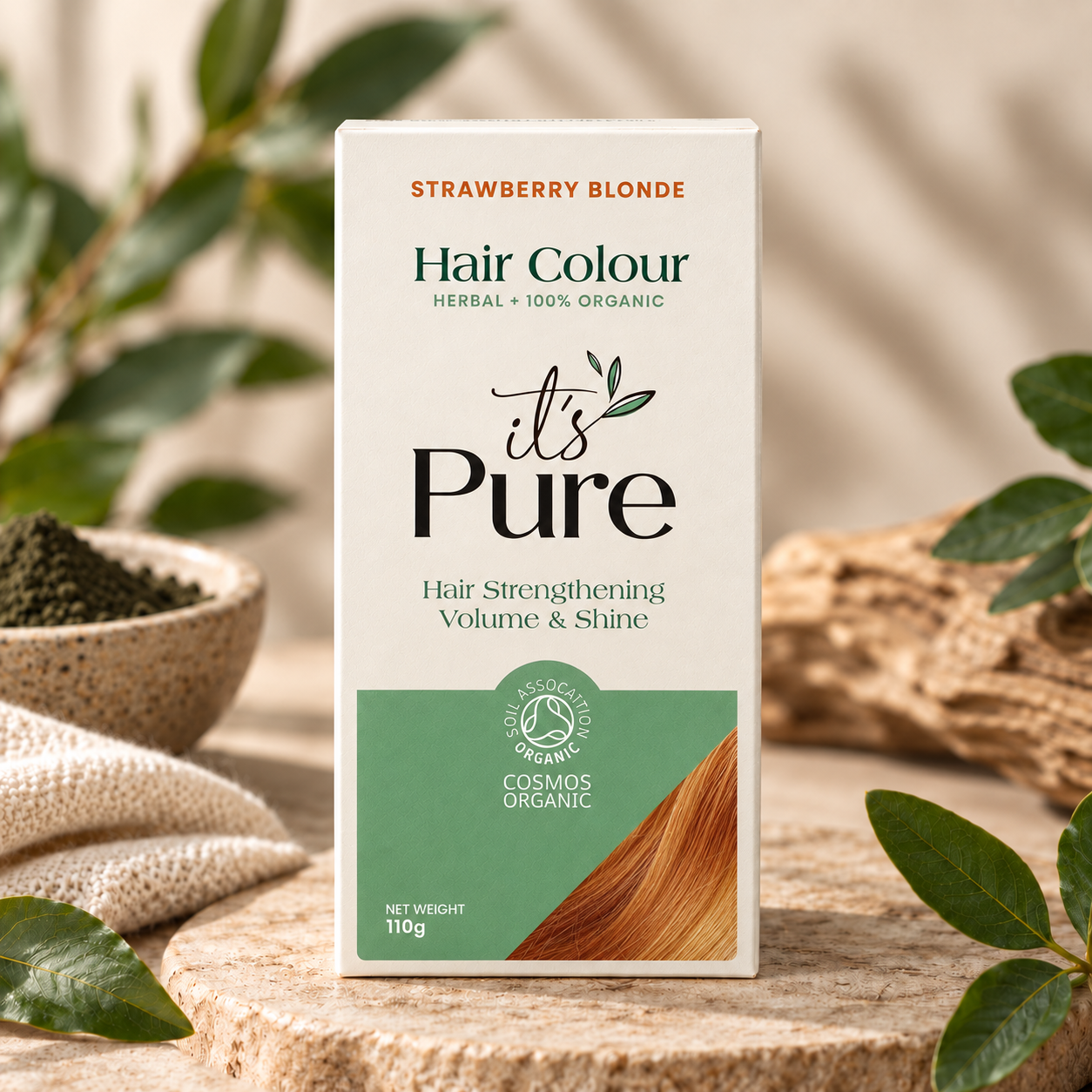
Preferably choose gentle shampoos and any scalp care that is as mild as possible and suitable for a sensitive or flaky scalp.
How to care for your scalp in everyday life
- Wash your hair with lukewarm water and a mild shampoo.
- Apply conditioner only to the lengths and ends.
- Leave styling products on the scalp as little as possible.
- Gently pat your hair dry instead of rubbing it vigorously.
- Watch for factors such as stress or temperature changes that may affect it.
When is it wise to consult a doctor?
Contact a doctor or dermatologist if you:
- Experiences intense redness, pain or inflammation
- severe itching persists despite mild care
- Not sure if it is dandruff, eczema or psoriasis
- notices that the complaints strongly affect your daily life
Read also:
Rose
Flakes
Eczema on the scalp
Psoriasis on the scalp
Sensitive scalp
Conclusion: seborrheic dermatitis requires gentle, mild care.
Seborrheic dermatitis on the scalp can be persistent, but a gentle and consistent routine can help keep the scalp more comfortable. By avoiding irritants and taking mild care of your scalp, the skin is more likely to feel calmer.
Do you suffer from flaking, itching and redness on your scalp? Above, choose a mild care suitable for sensitive or flaky scalp.