
Oily hair and oily scalp
Does your hair get oily quickly, sometimes just a day after washing it? Or do you see shine at the roots and your hair feels heavy and limp? Then you may have an oily scalp. This is very common and often has to do with how the scalp reacts to products, routine or sebum production.
How can you recognize an oily scalp?
Oily hair usually occurs not because the hair is “dirty,” but because there is a relatively high amount of sebum on the scalp. For example, you may notice:
- shine or greasy appearance at the hair roots
- hair that falls heavy and limp quickly
- itching or irritation due to accumulation of sebum
- flaking as sebum mixes with dead skin cells
- the feeling that your hair needs a quick re-wash
What can cause oily hair?
Sebum helps protect the scalp. When a relatively high amount of sebum is produced, hair can appear oily faster. This may be related to:
- strong cleansing shampoos that dry out the scalp
- washing too often which can cause sebum production to react
- stress or hormonal changes
- build-up of dry shampoo or styling products
- heat from hair dryers or styling tools close to the scalp
- products such as wax, gel or hairspray at the roots of the hair
What should you avoid?
Some habits can actually enhance oily hair:
- wash daily with strong degreasing shampoo
- many styling products at the hair roots
- using very hot water while washing
- Using dry shampoo as a regular routine
- scratching or rubbing the scalp hard
Natural products that may be suitable for oily hair and scalp
The products listed below are cosmetic care products intended to care for hair and scalp. They are not intended to treat or cure medical conditions.
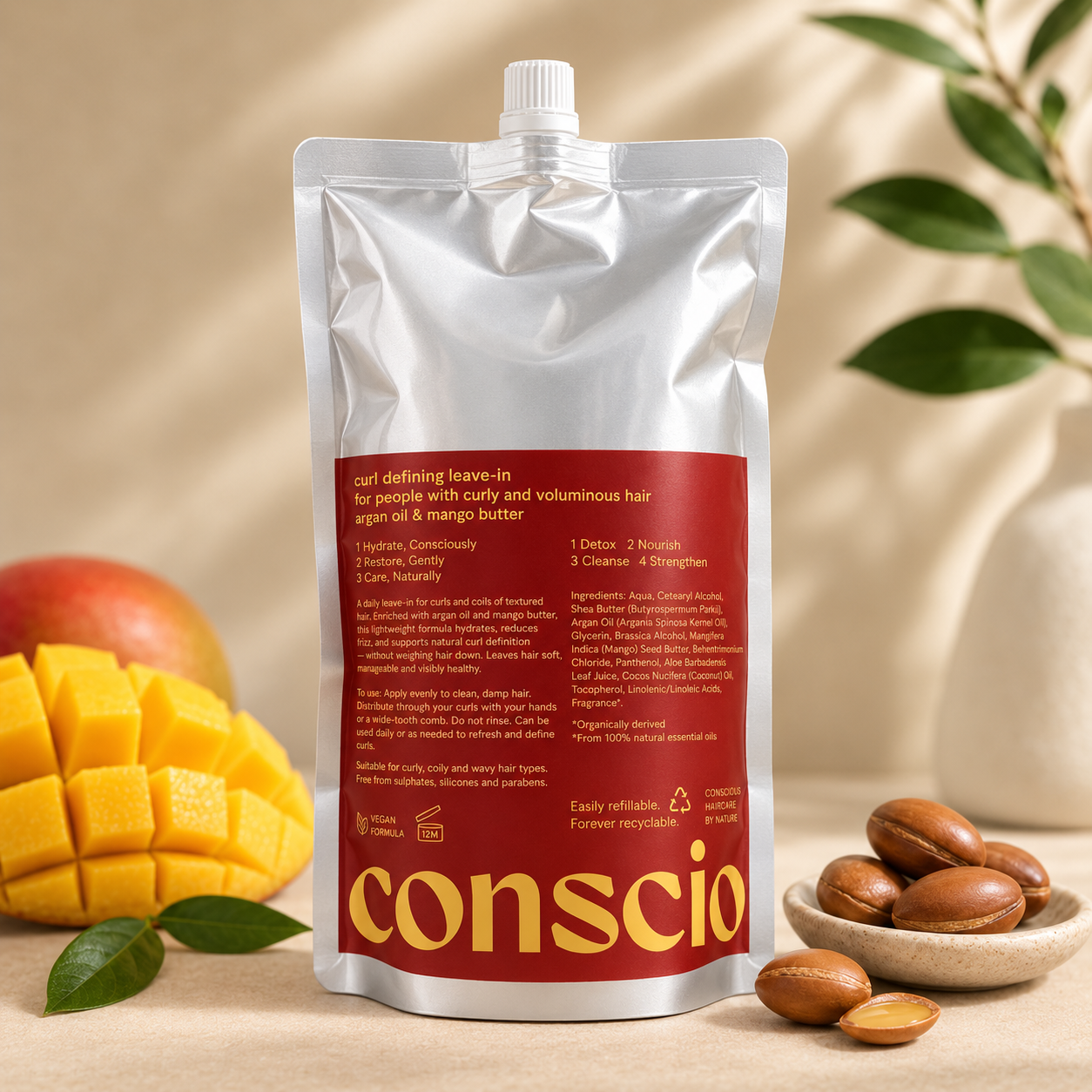


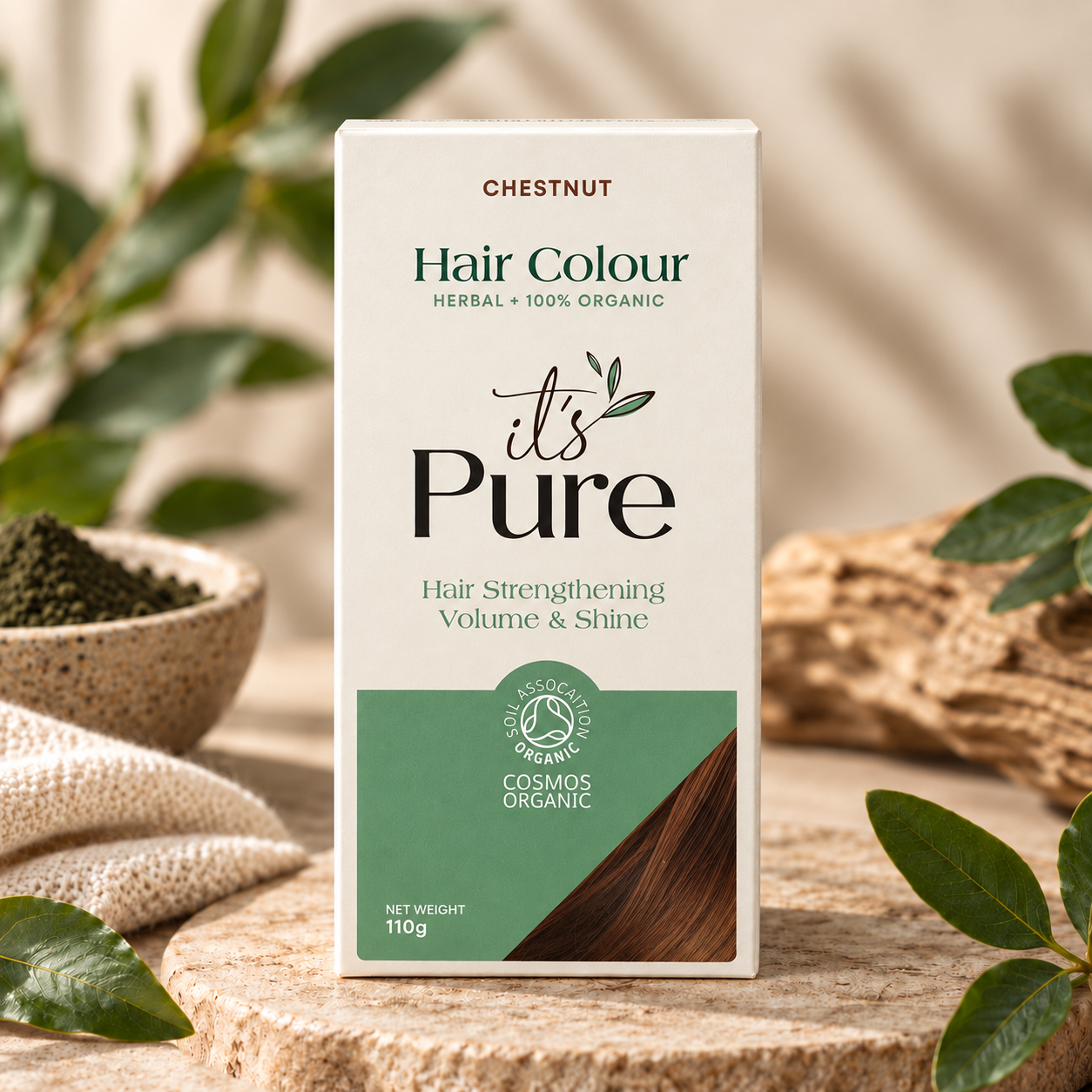
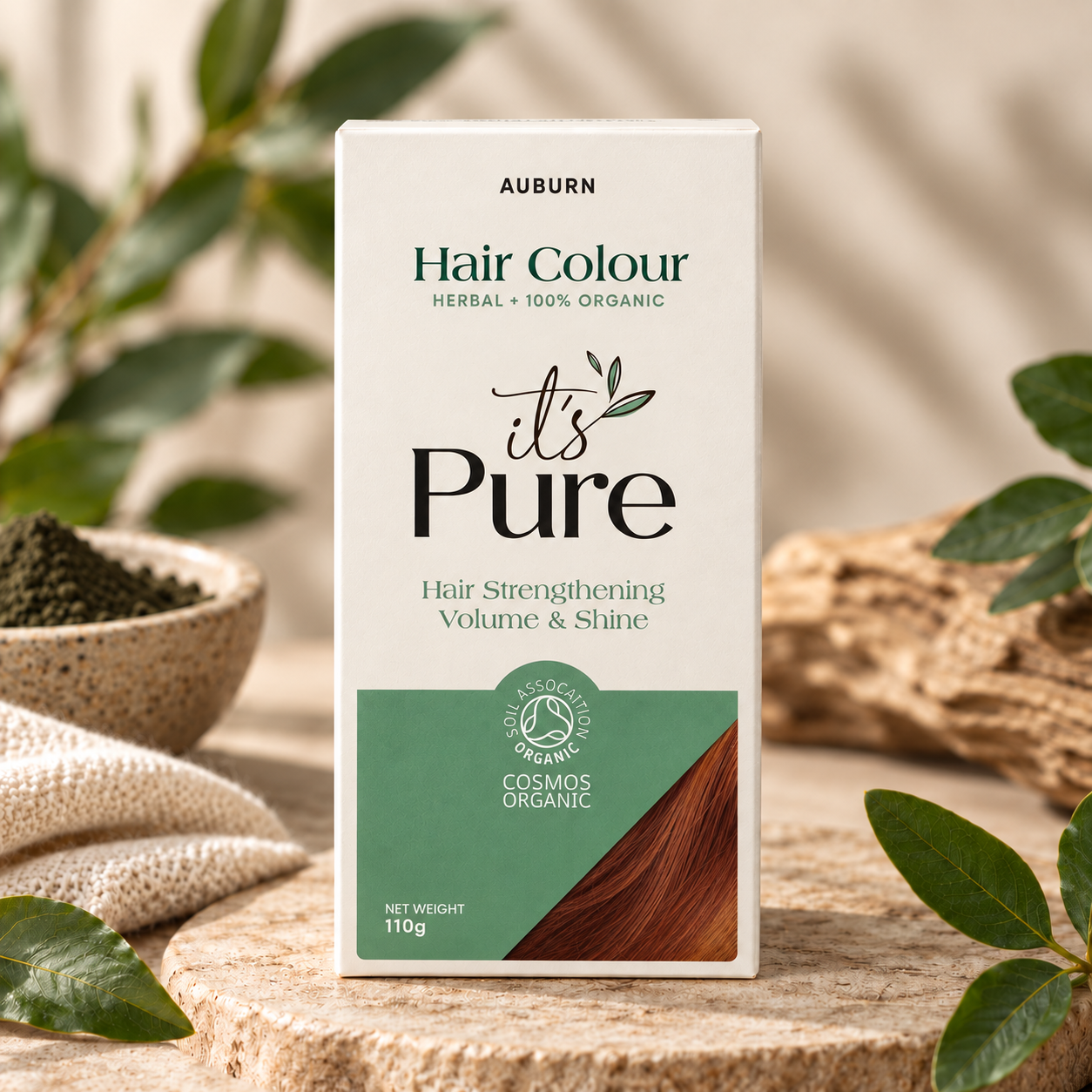
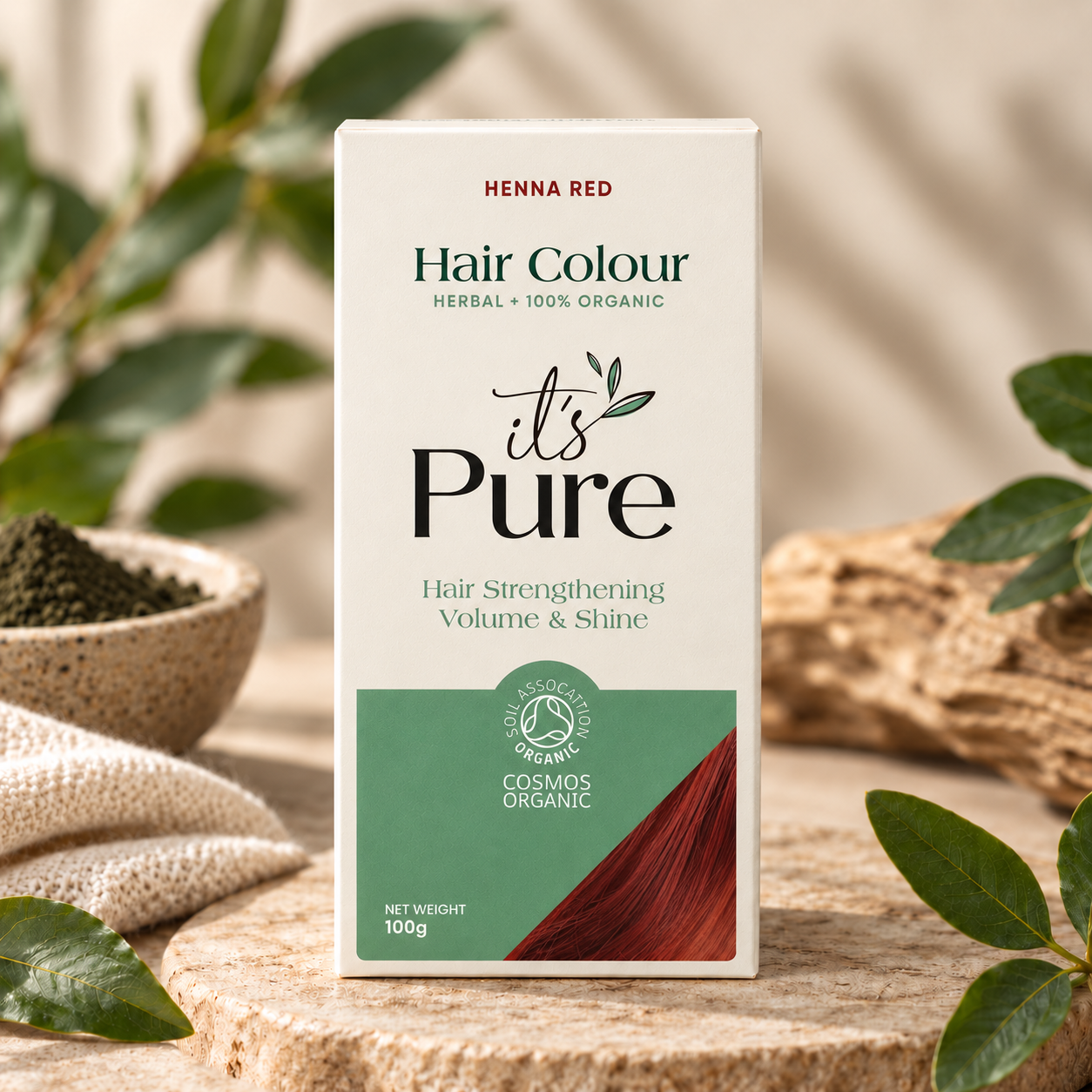
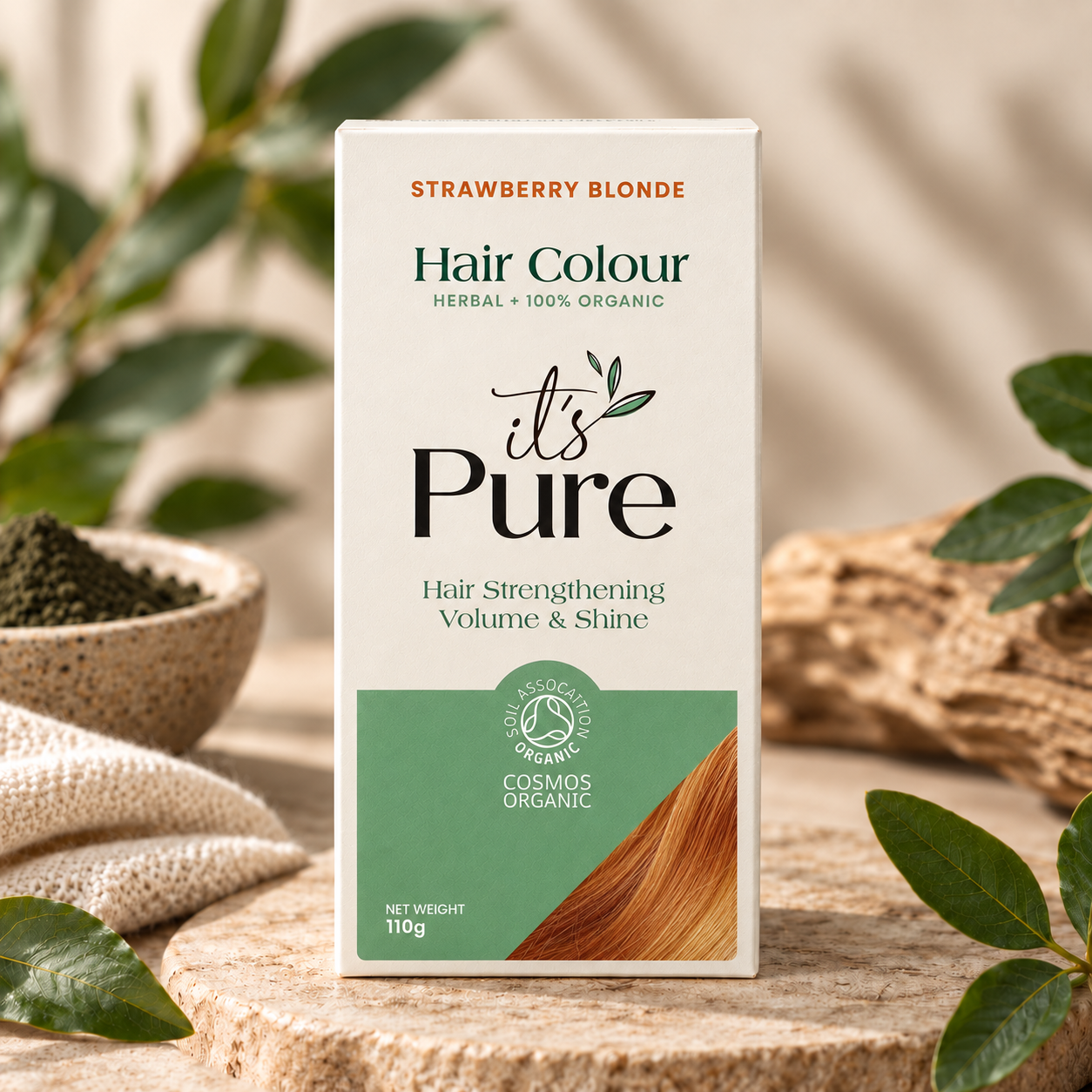
The products above have been selected for their suitability for oily hair and oily scalp. They gently cleanse and are designed to leave hair feeling fresh and airy.
Here's how to better control an oily scalp
With a few adjustments in your routine, you can often notice a difference:
- For example, wash your hair with a mild shampoo every other day.
- Only use conditioner on the lengths and ends.
- Prevent styling products from getting on the scalp.
- Use a deep cleansing shampoo occasionally to remove product residue.
- Blow-dry at a lower temperature and not directly on the scalp.
When is it wise to pay extra attention?
Have it checked when you:
- suddenly gets extremely oily hair with no apparent cause
- see yellow, oily flakes (this may indicate seborrheic dermatitis)
- experiences a lot of itching, redness or sensitivity
Read also:
Detox for the hair
Flakes
Itchy scalp
Irritated scalp
Conclusion: oily hair requires a gentle routine
Oily hair and scalp are often related to sebum production and grooming habits. With mild cleansing and a gentle routine, hair can often feel fresher and airier.
Do you suffer from oily hair that sags quickly? Choose a mild care above that may be suitable for an oily scalp.