
Breaking down curls
Curls are naturally drier, more fragile, and more susceptible to damage than straight hair. As a result, curls break more easily, especially on the outside of the curl where friction and dryness are greatest. If you notice that your curls are getting shorter, frizzy, lack bounce, or grow unevenly, you are probably dealing with breakage.
How can you recognize damaged curls?
Hair breakage in curls looks different than in straight hair. Pay particular attention to:
- Fluffy tufts that no longer spring back properly
- short, broken hairs around the crown or hairline
- curls that become uneven in length
- dry, brittle ends that split easily
- curls that lose their shape or appear “stretched out”
Because curls twist, the outside of the hair fiber is more fragile and the hair dries out more quickly. Breakage is therefore often in the lengths and ends.
What causes curls to break more quickly?
Several factors can cause curls to become more fragile:
- friction caused by towels, pillowcases, or brushes that are too hard
- heat from hair dryers, diffusers, or styling tools
- shampoos that are too strong or products containing drying alcohol
- comb dry hair
- hairstyles that are too tight or elastic bands
- lack of moisture and care in the hair
- chemical treatments such as dyeing or bleaching
What should you avoid?
With breaking curls, caution is important. Preferably avoid:
- roughly dry with a towel
- hot styling tools without protection
- brushing or combing dry hair
- products with strong perfumes or high alcohol content
- daily styling with heat
Natural products for breaking curls
Curls often need extra care to keep them feeling supple and resilient. The selection below includes products to suit curly, dry and fragile hair.
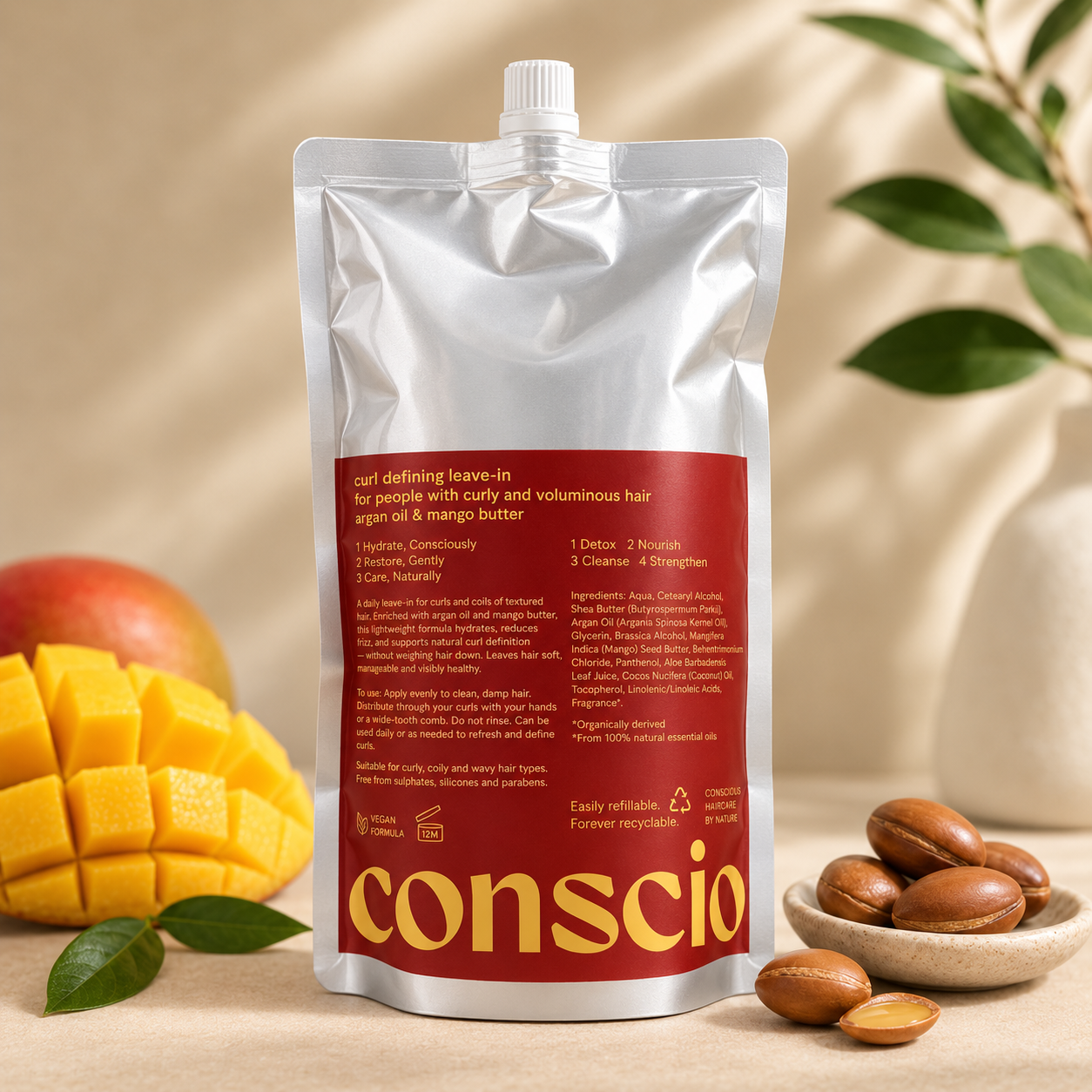


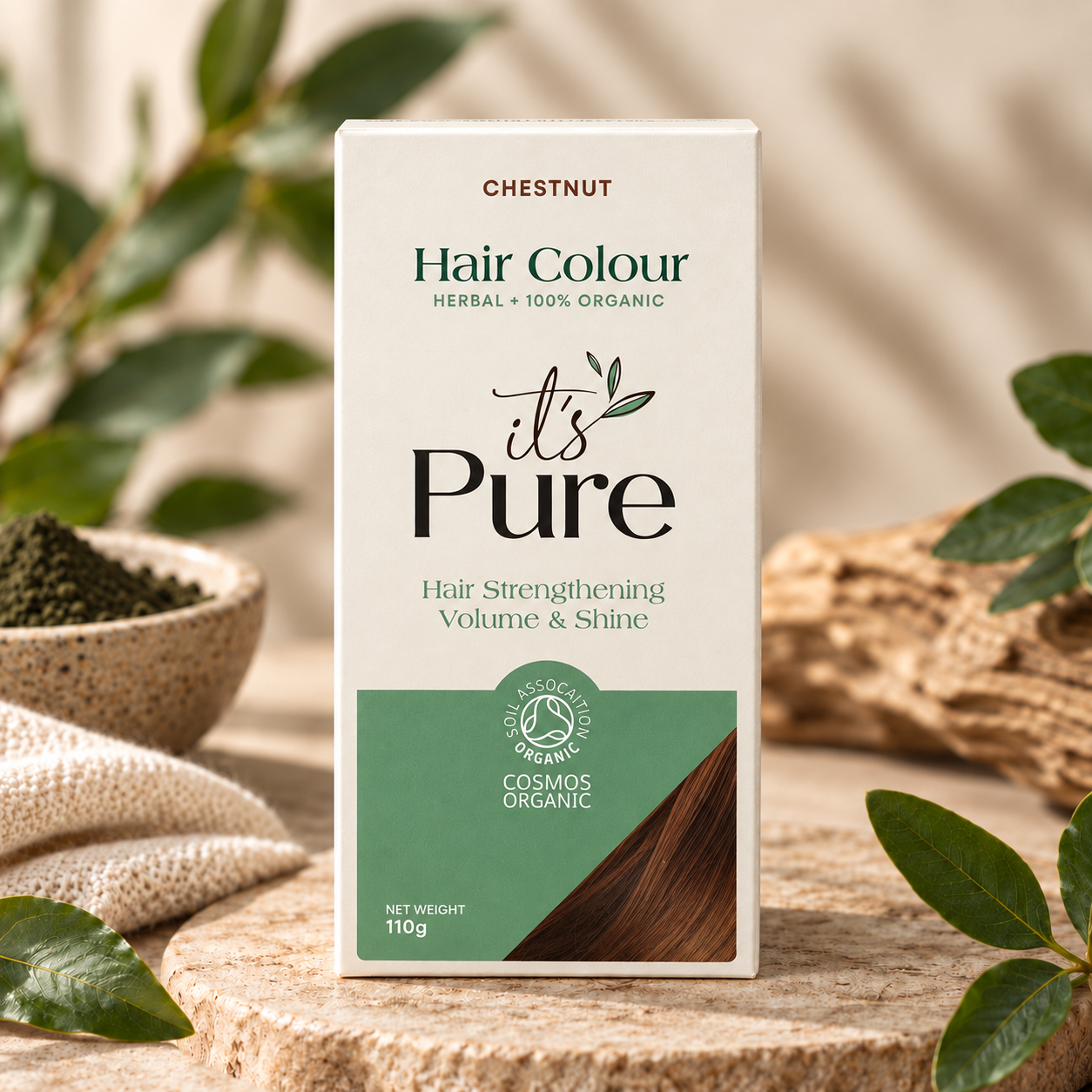
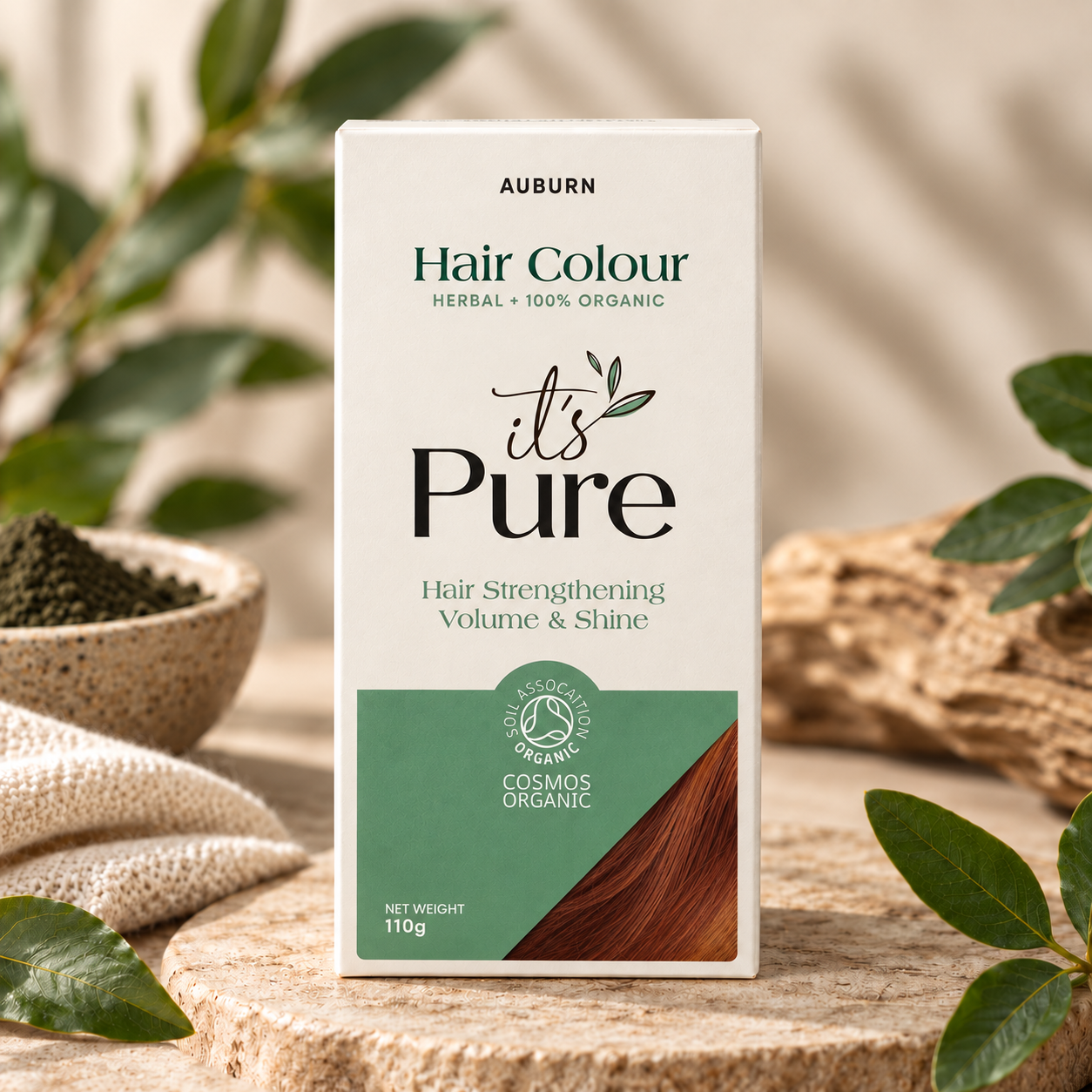
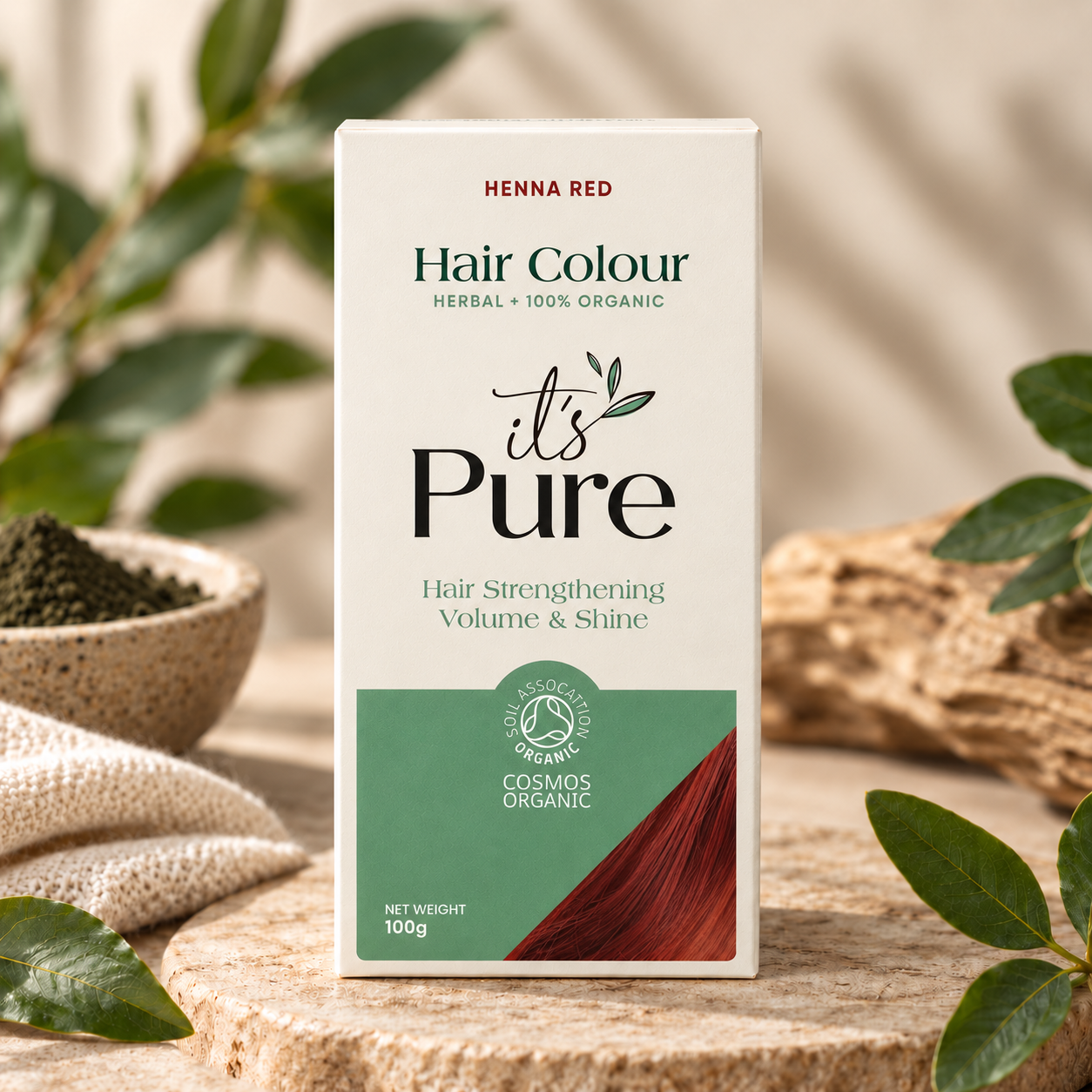
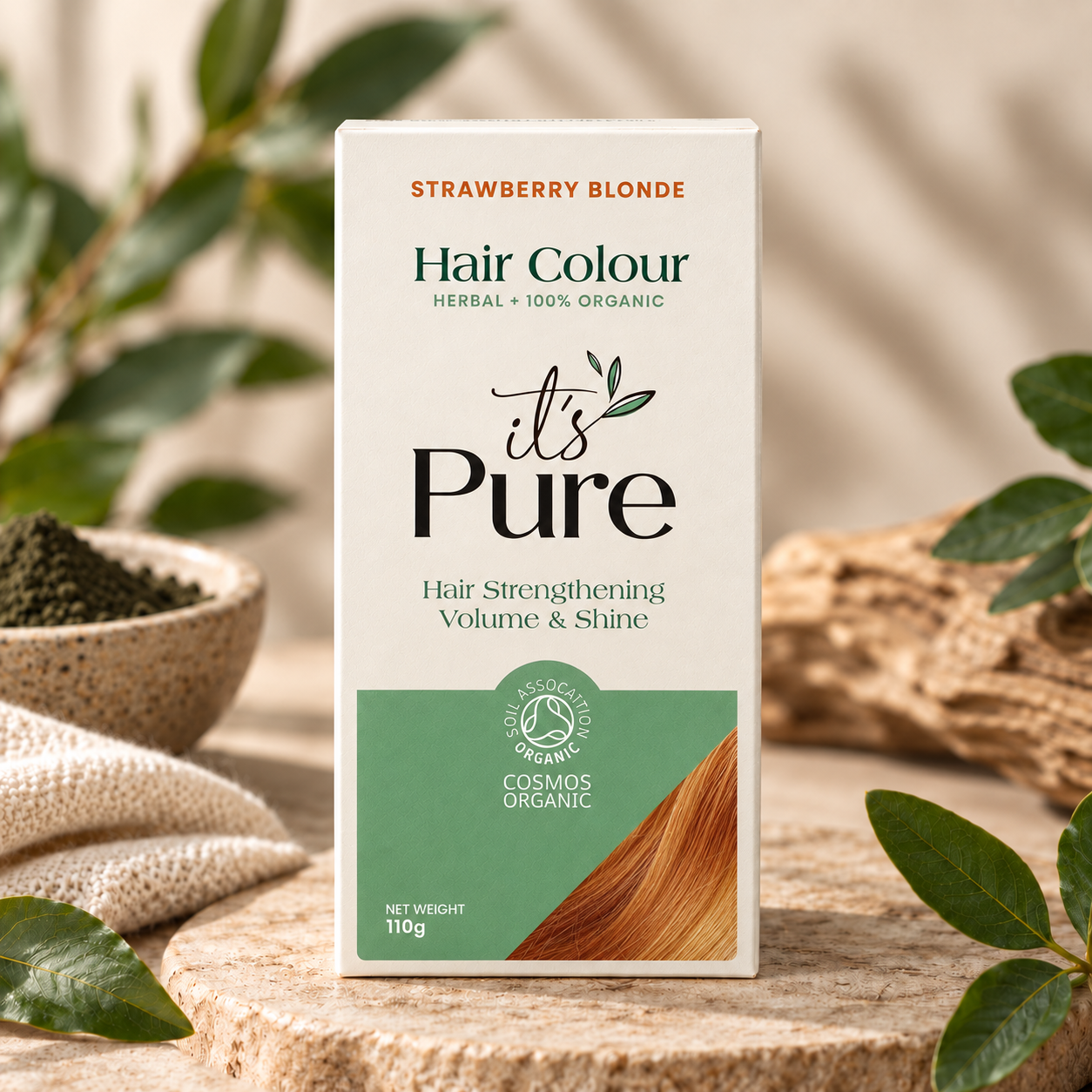
These products were chosen for their conditioning and protective properties. They help hair feel softer and smoother and support a routine suitable for curly hair.
How to care for damaged curls in your routine
By making your routine more curl-friendly, you can help limit a lot of new damage:
- Wash your hair with a mild shampoo.
- Use conditioner and possibly a leave-in conditioner with every wash.
- Comb your hair only in the shower, using plenty of conditioner.
- Pat dry with a microfiber cloth or cotton shirt.
- Blow dry with a diffuser on a low heat setting or let your hair dry naturally.
- Sleep on a satin pillowcase for less friction.
When should you be extra careful?
Be extra careful if you:
- have many short, broken strands at the roots
- have extremely frizzy and porous hair after chemical treatments
- hair that becomes elastic and does not spring back after being stretched
Then it may help to treat your hair with extra care for a period of time and avoid heat as much as possible.
Read also:
Curls
Dry hair
Damaged hair
Heat damage caused by styling tools
Conclusion: damaged curls require gentleness and protection.
Friction, heat and dehydration can damage curls more quickly. By washing gently, caring well, detangling gently and limiting heat, you can help your curls feel smoother and more resilient.
Have your curls lost their shape and bounce due to hair breakage? Choose a gentle, conditioning routine above and give your curls the attention they need to stay supple and full to the touch.