
Psoriasis on the scalp
Psoriasis on the scalp can be quite intense. You may experience thick flakes, persistent itching, redness and a tight or burning sensation. The skin gets irritated faster, and your hair can also feel drier or more fragile. You are not alone: with a gentle and careful approach, you can often give your scalp more peace and comfort.
How can you recognize psoriasis on the scalp?
Psoriasis differs from ordinary flakes or dandruff. You can often recognize it by:
- thick, silvery scales
- redness and clearly defined patches
- itching or burning sensation
- tight, taut skin
- sensitive or painful areas
What can cause psoriasis on the scalp?
Psoriasis is a chronic skin condition in which the immune system plays a role. Certain factors can sometimes exacerbate symptoms, such as:
- stress and tension
- cold and dry air
- shampoos or styling products that irritate the skin
- friction from hats, caps or a tight haircut
- a sensitive or disrupted skin barrier
What should you avoid if you have psoriasis?
The skin may be extra sensitive, therefore it may help to avoid:
- scratch or peel off flakes
- hot showers
- products with a lot of perfume, alcohol or strong cleansers
- wash daily if the scalp reacts sensitively
- use many different products at the same time
Gentle care for psoriasis on the scalp
Hair care products cannot treat psoriasis, but gentle care can help keep the scalp more comfortable and less irritated. A gentle, low-scent routine can support this.
The products listed below are cosmetic care products that may be appropriate for a sensitive or irritated scalp. They are not intended to treat or cure medical conditions. If symptoms persist, always consult a doctor or dermatologist.
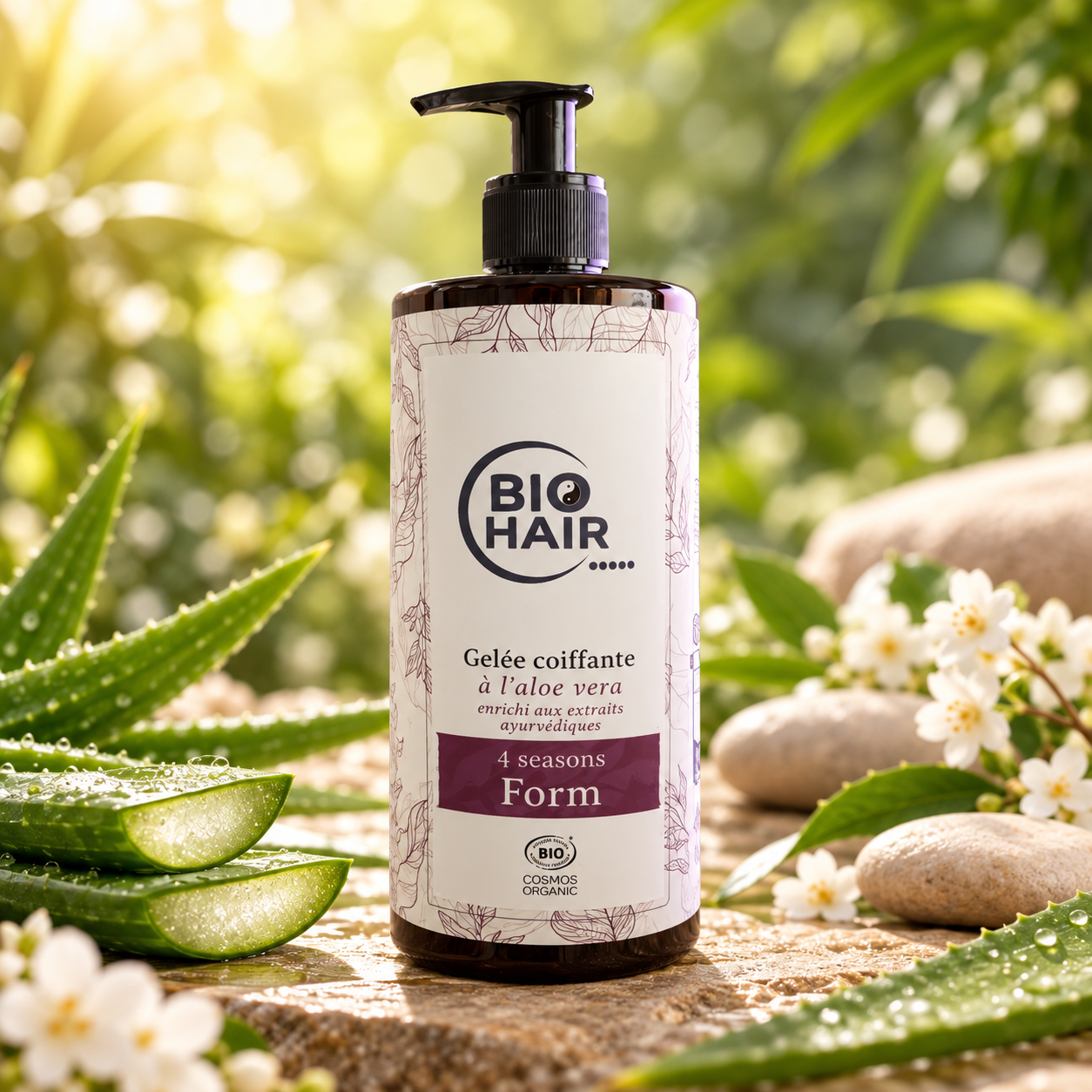
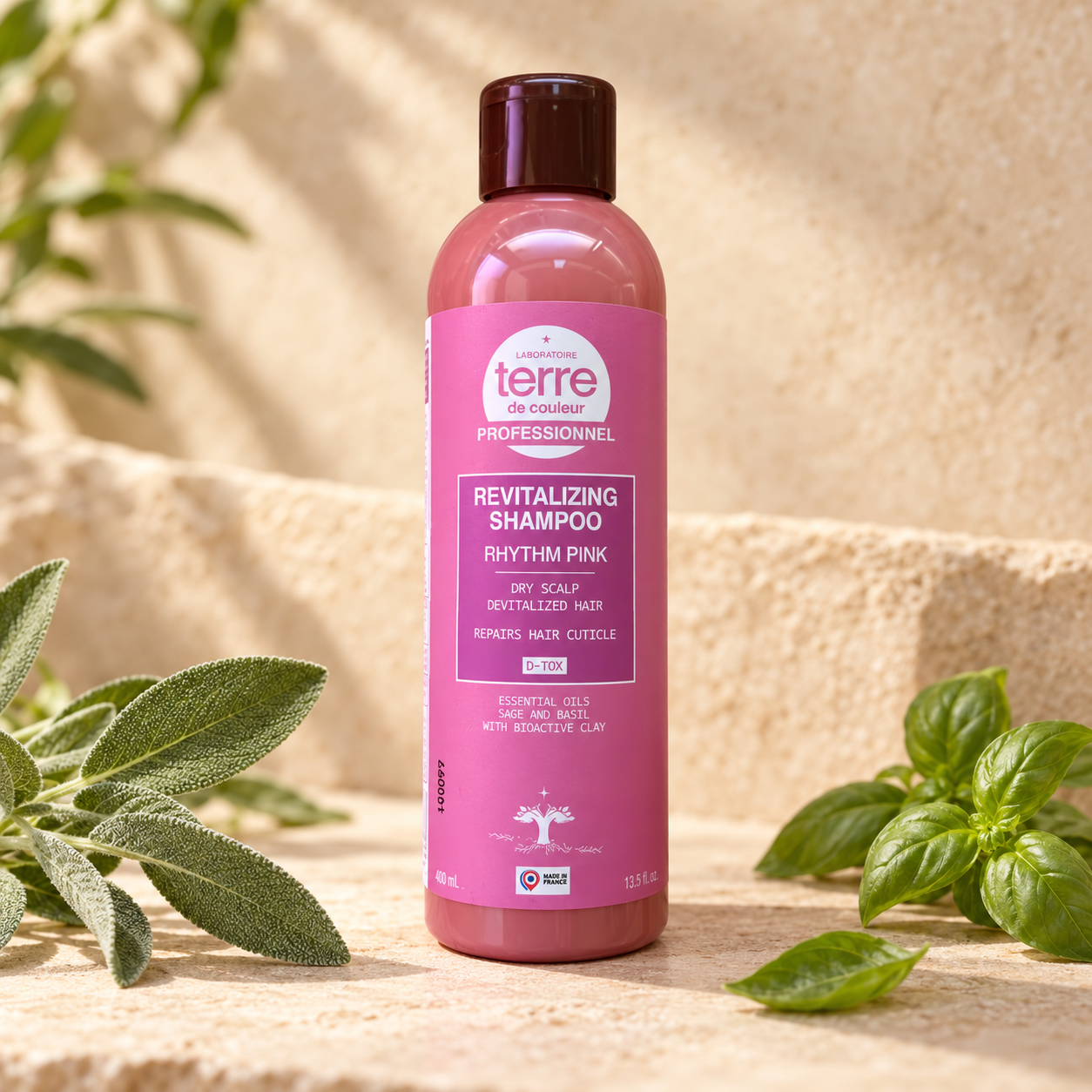
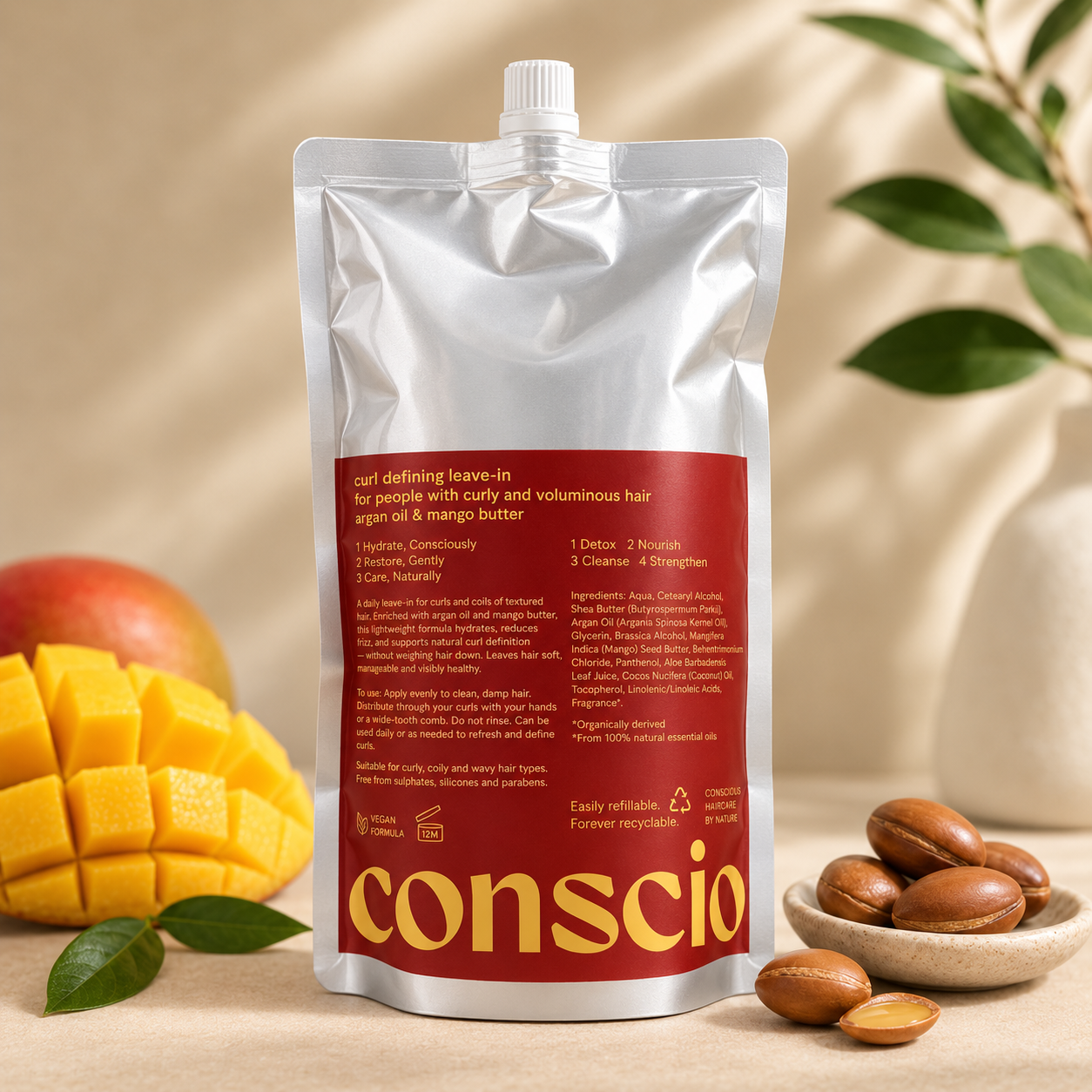


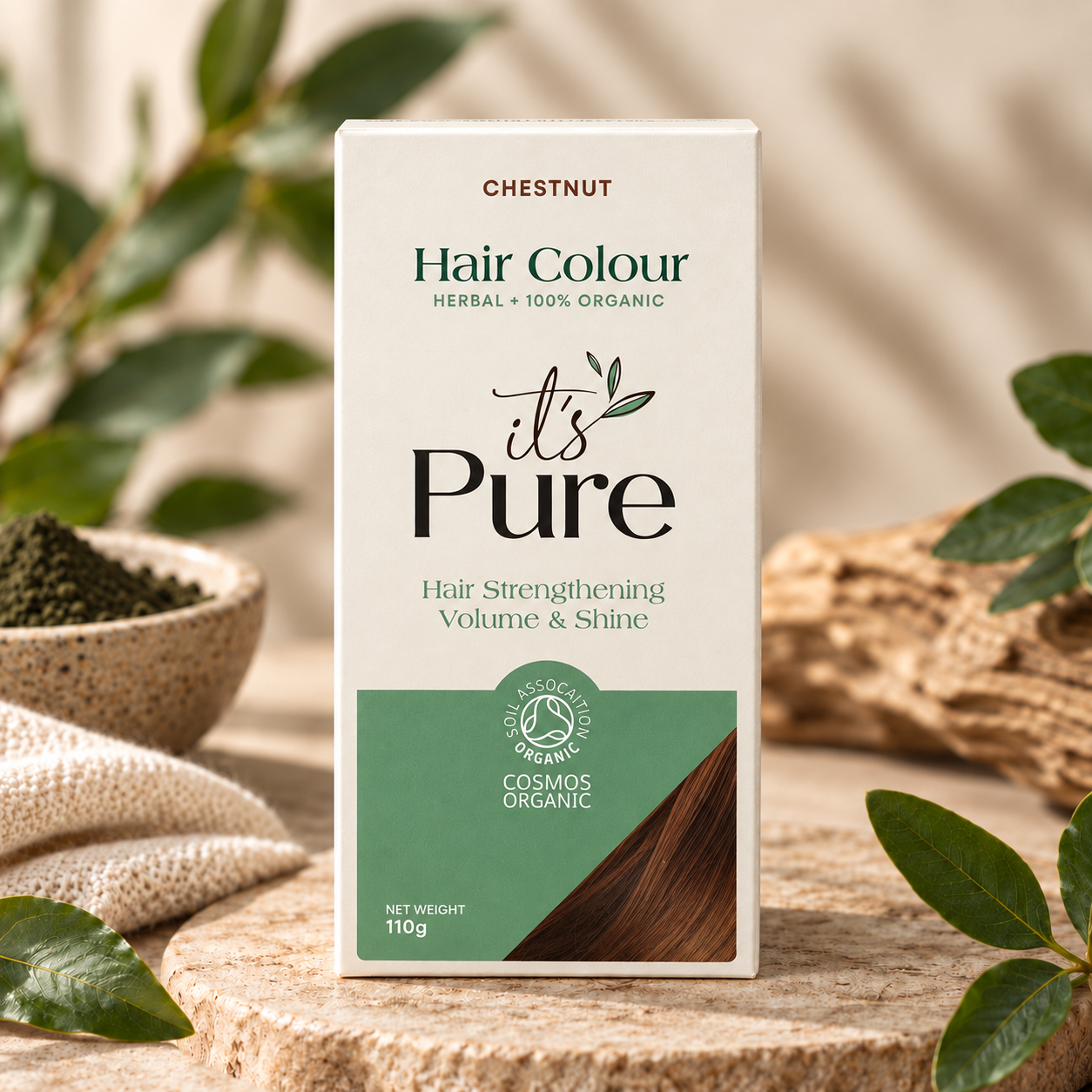
How do you treat psoriasis on the scalp as part of your daily routine?
- Wash with lukewarm water and a mild shampoo.
- Pat your hair dry instead of rubbing it vigorously.
- Only use conditioner on the lengths and ends.
- Let styling products leave the scalp alone as much as possible.
- Avoid tight hats or caps if the skin feels sensitive.
When is it wise to seek help?
Contact a doctor or dermatologist if:
- the spots quickly become larger or become inflamed
- your scalp becomes sore or very sensitive
- you are not sure whether it is psoriasis, eczema, or another condition
- mild care does not give sufficient improvement
Read also:
Eczema on the scalp
Flakes
Irritated scalp
Sensitive scalp
Conclusion: psoriasis requires mild and gentle care
Psoriasis on the scalp can be persistent, but a gentle hair care routine can help keep the scalp more comfortable. By avoiding irritating ingredients and keeping your routine simple, you give the skin a better chance of feeling calmer.
Want to calmly care for your scalp when it is sensitive due to psoriasis? Above, choose a mild care that minimizes scalp stress.