
Split ends of hair
Do you see small forks, frayed pieces, or ends that split into two or even three parts at the ends of your hair? These are split ends. They make your hair look dry and unkempt and cause your lengths to break more quickly. You can't “glue” existing split ends back together, but you can prevent them from creeping further up and limit new split ends.
How can you recognize split ends?
Split ends are usually easy to recognize. Please note:
- hair ends that split into two or more small “branches”
- ragged, irregular ends
- a fuzzy edge at the bottom of your hair
- hair that looks thinner at the ends
- hair that is difficult to make shiny and smooth
It often feels easier to run your fingers through the lengths than through the ends, because they are rougher and tend to snag more easily.
What causes split ends?
Split ends are a clear sign that the protective cuticle layer of your hair is damaged. Possible causes include:
- frequent styling with straighteners, curling irons, or hair dryers without adequate heat protection
- chemical treatments such as dyeing, bleaching, or perming
- friction caused by rough towels, pillowcases, or scarves
- shampoos that are too strong and washing too often
- brushing or combing too vigorously, especially on wet hair
- waiting too long to update your points
What should you avoid doing if you have split ends?
If you already have split ends, there are a few things you can do to limit further damage:
- pull loose ends further apart with your fingers
- daily hot styling without protection
- roughly rubbing wet hair dry or combing it vigorously
- using rubber bands that pull or rub
- waiting too long to cut, causing the tear to spread further up
Natural products for split ends
You cannot repair existing split ends, but you can protect and strengthen the rest of your hair fiber. The selection below focuses on dry, damaged, and fragile hair and helps prevent further damage as much as possible.
The products listed below are cosmetic care products that may be appropriate for dry or damaged hair. They are not intended to treat or cure medical conditions.
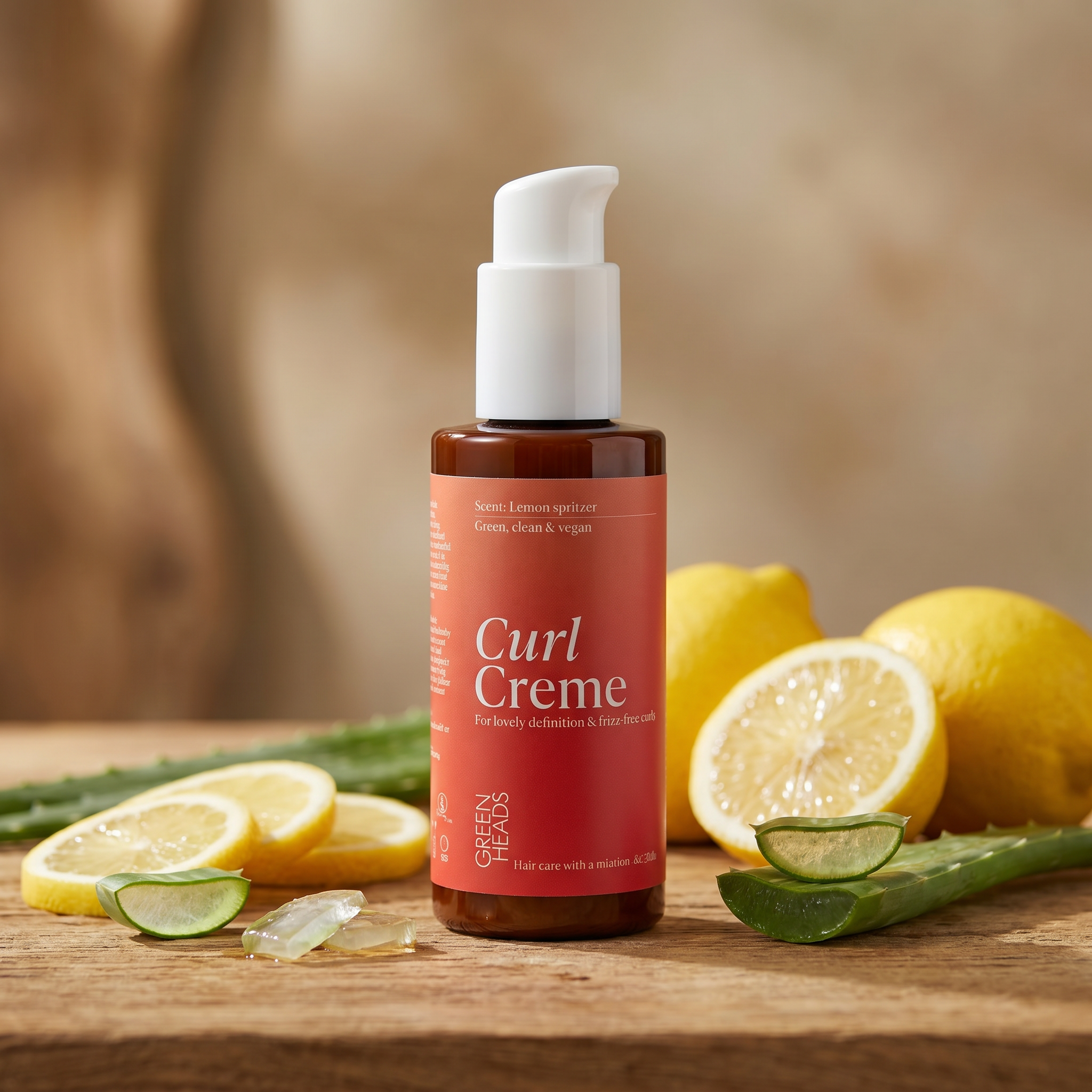

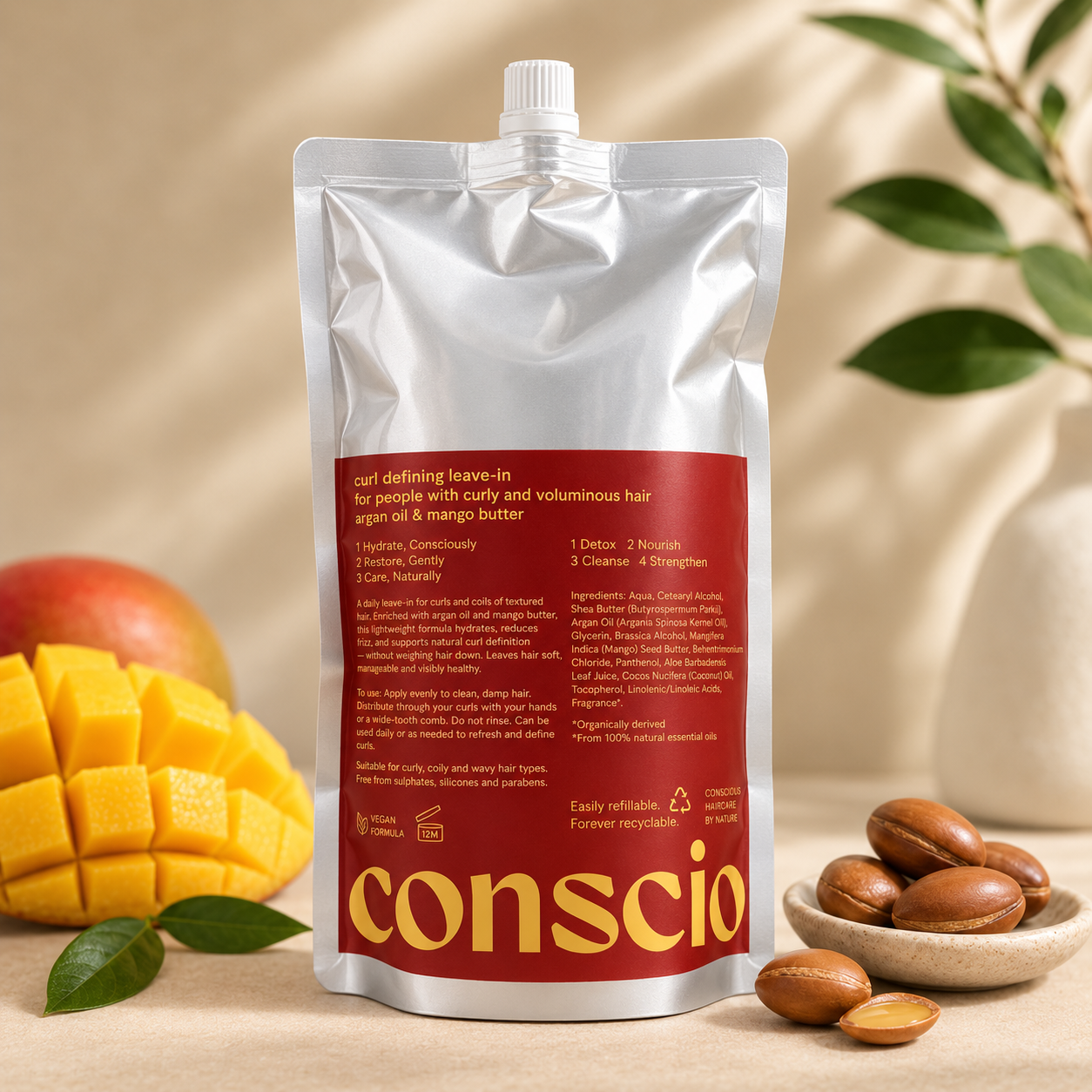


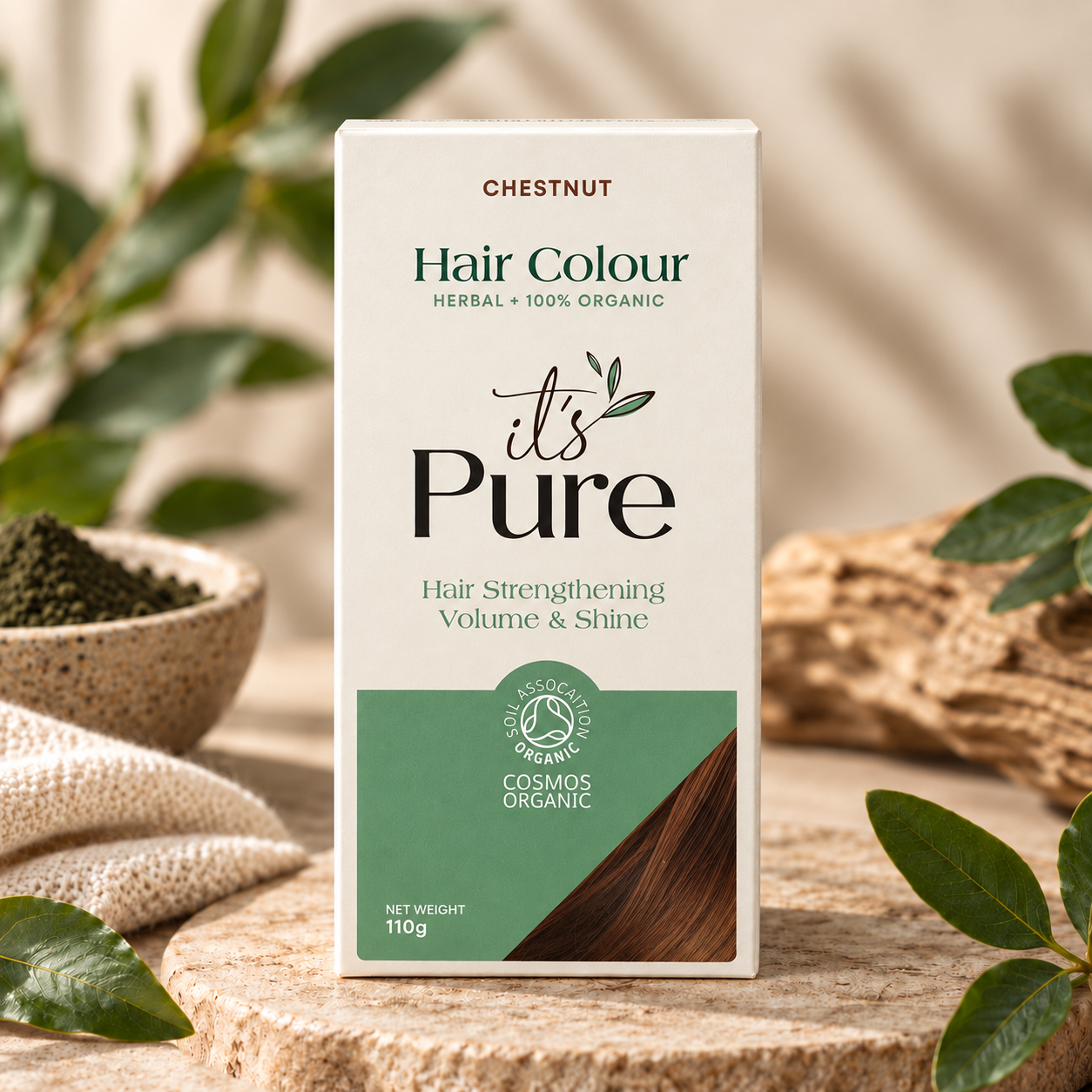
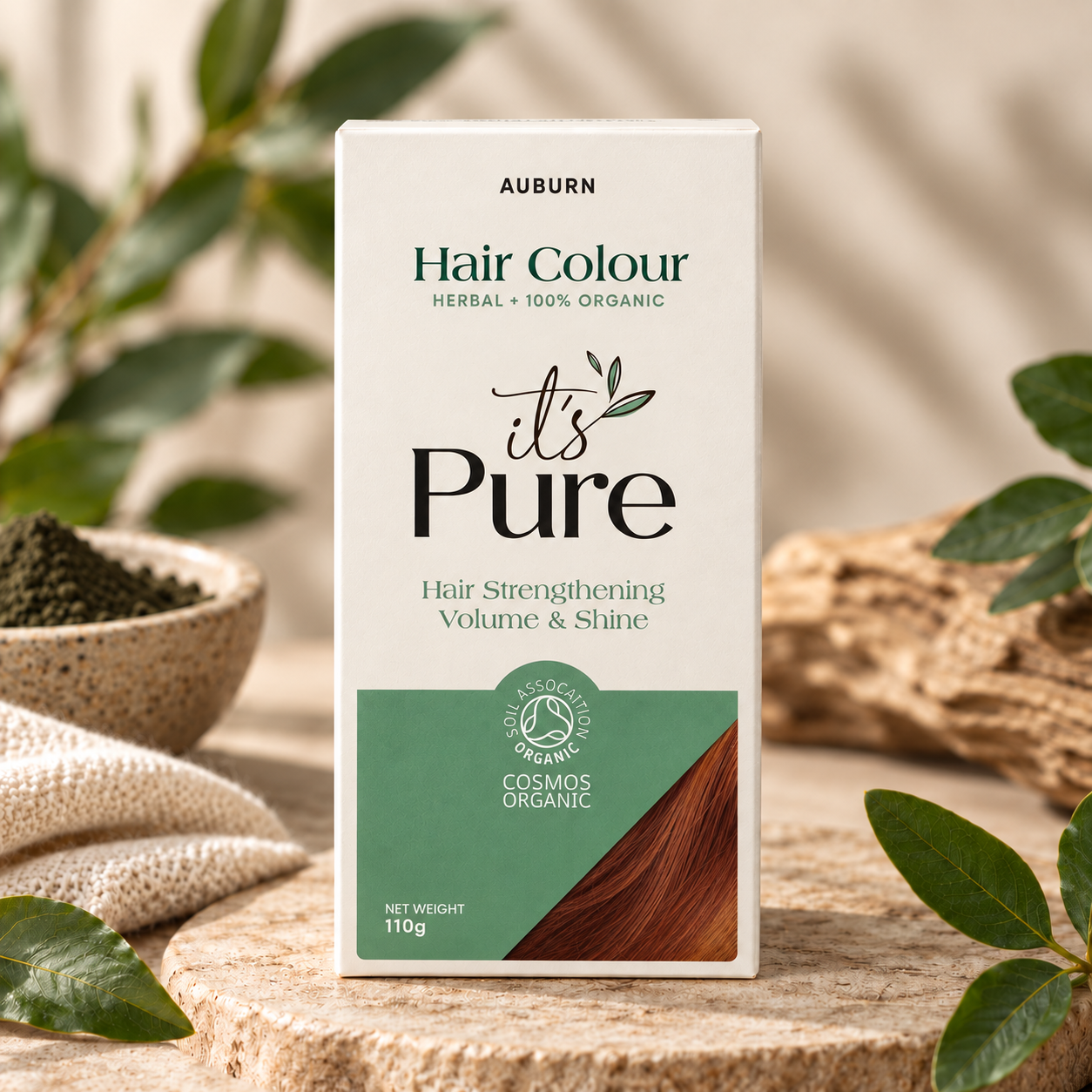
These products have been selected for their nourishing, conditioning, and protective properties. They help make your hair softer and easier to comb, reducing the likelihood of new split ends.
How to deal with split ends in your routine
With a smart combination of cutting and care, you can achieve great results:
- Have your ends trimmed regularly, even if you want to grow your hair.
- After each wash, use a conditioner or mask on the lengths and ends.
- Gently pat your hair dry with a soft towel or T-shirt, rather than rubbing it.
- Always use a heat protector when blow-drying or styling your hair.
- Apply a protective serum or oil to the ends to soften them.
Can you prevent split ends?
You can never completely rule them out, but you can greatly reduce the chances:
- Wash with a mild shampoo and no more often than necessary.
- Protect your hair from sun, chlorine, and wind.
- Choose elastic bands without metal parts and don't always wear your hair tied back tightly.
- Preferably sleep on a satin or silk pillowcase for less friction.
Read also:
Breaking down hair
Damaged hair
Dry hair
Breaking down curls
Conclusion: split ends require trimming and protection
Split ends cannot be repaired, but you can have them trimmed in time and prevent the damage from spreading further up the hair shaft. With gentle care, good protection, and a gentle styling routine, you give your hair the chance to stay stronger and healthier, so that new split ends are less likely to form.
Want to get rid of split ends and make your hair look fuller and more well-groomed again? Schedule a haircut and choose a mild, protective treatment above that will help keep your ends soft and strong.