
Pregnancy
During pregnancy, your body changes, and you often notice this in your hair and scalp as well. Hormonal changes can make your hair feel fuller, as well as drier, oilier or more sensitive. Some women notice changes in their hair texture, such as more curl or frizz. With mild care, you can keep your hair and scalp comfortable during this period.
How hormones affect your hair
Hormones play a big role in the condition of your hair during pregnancy. For example, many women notice:
- fuller or firmer hair as hairs stay in the growth phase longer
- faster oily hair roots or drier ends
- a more sensitive or itchy scalp
- more frizz, especially with wavy or curly hair
- That hair color or styling reacts differently than normal
What hair problems are more common during pregnancy?
- Oily hair or oily scalp: due to hormonal changes in sebum production.
- Dry hair: especially in the lengths and points.
- Sensitive scalp: more quickly red or irritated.
- Itching: due to changes in skin and sebum production.
- Frizzy hair: due to altered hair structure.
What should you avoid during this period?
Your scalp may react more sensitively during pregnancy. Therefore, it may help to avoid:
- strongly perfumed or harsh shampoos
- very frequent washing when not needed
- products containing a lot of strong alcohol
- high heat from styling tools
Gentle products that may be suitable during pregnancy
The products listed below are cosmetic care products intended to care for hair and scalp. They are not intended to treat or cure medical conditions.
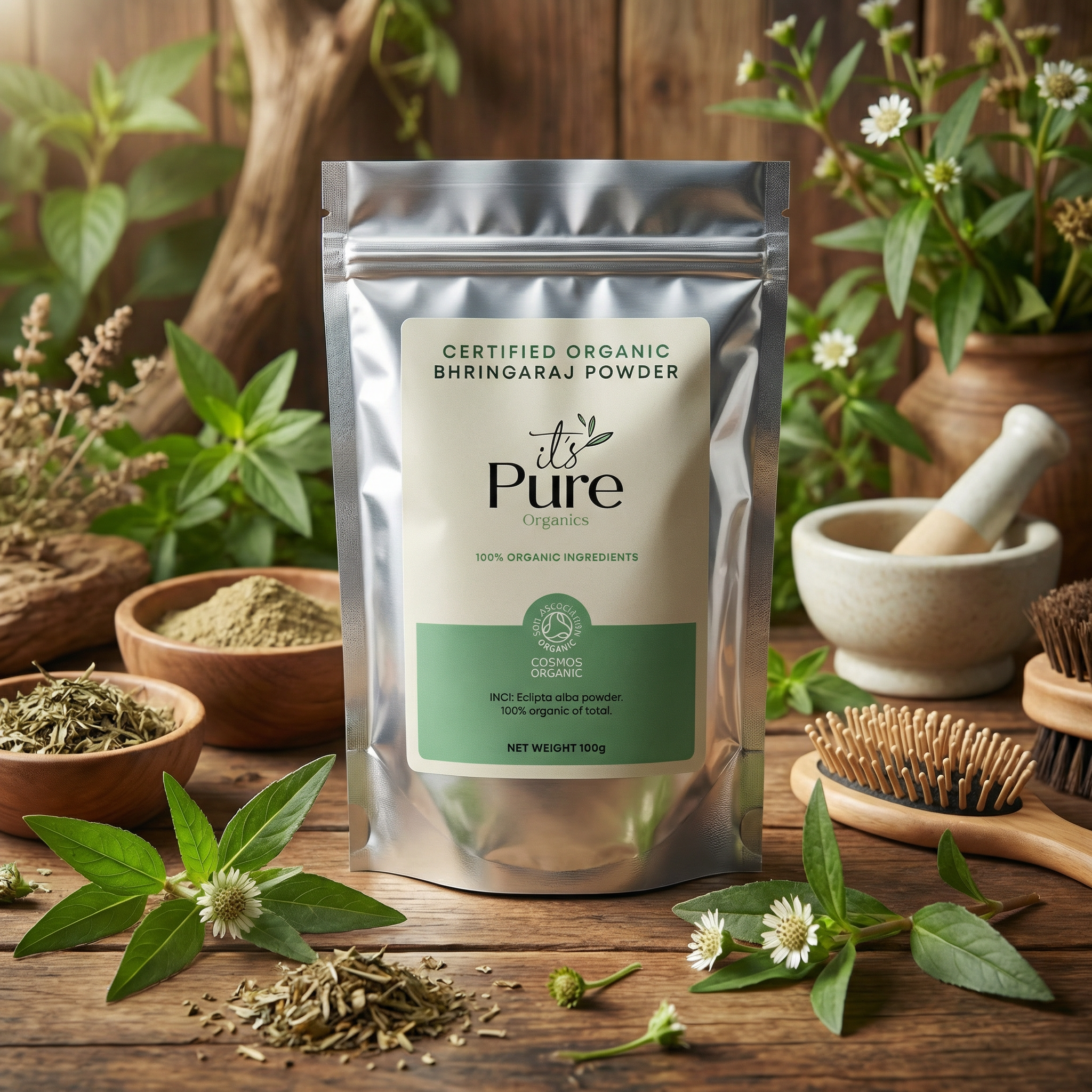





How do you care for your hair during pregnancy?
- Wash your hair with a mild, preferably low perfume shampoo.
- Use conditioner or leave-in care in the lengths.
- Wash your hair only when necessary.
- Use styling tools at a lower temperature.
- Protect your hair from sun and chlorine when you are outside or swimming a lot.
When is additional advice wise?
Contact a physician or specialist when you:
- suddenly develops severe itching, redness or scaling
- notices unusually high levels of hair loss
- gets sore or irritated spots on the scalp
Read also:
Sensitive scalp
Dry hair
Oily hair
Conclusion: gentle care during pregnancy
During pregnancy, your hair and scalp may react differently than you're used to. With a gentle care routine and mild products, you can keep your hair and scalp as comfortable as possible.
Want to take pleasant care of your hair during pregnancy? Check out products above that may be suitable for hair and scalp during this period.