
Sensitive scalp
Does your scalp often feel tight, burning or easily irritated, even with mild products or temperature changes? Then you're probably dealing with a sensitive scalp. This can be very annoying and tiring, but with the right approach, you can often help your scalp feel calmer and more comfortable again.
How do you recognize a sensitive scalp?
A sensitive scalp doesn't always look extremely red or damaged, but you can usually feel it very clearly. Do you recognize one or more of these signs?
- burning or stinging sensation after washing or blow-drying
- scalp that quickly turns red when touched
- taut or tight feeling, even when your hair is clean
- sensitivity when wearing a ponytail, pins or accessories
- slight flaking or itching without obvious dandruff
Often a sensitive scalp reacts more strongly to things that don't bother others much, such as fragrances, temperature changes or styling products.
What causes sensitive scalp?
A sensitive scalp is usually related to a weakened or irritable skin barrier. Possible causes include:
- shampoos with harsh cleansers or lots of perfume
- use many different products together
- washing too hot or too often
- heat from hair dryer or styling tools close to the scalp
- skin problems such as eczema or seborrheic dermatitis
- stress, hormones or medication
- cold wind or just dry, warm air inside
What is better to avoid with a sensitive scalp?
To give your scalp peace of mind, it may help to avoid a few things:
- shampoos with strong sulfates and many synthetic fragrances
- dry shampoo directly on the scalp
- hard brushes or frequent scratching
- very hot water in the shower
- hair sprays and styling products that land on the scalp
Natural products for sensitive scalp
Mild products can help care for the scalp when it feels sensitive or responsive. Consider shampoos and treatments designed specifically for a sensitive or itchy scalp.
The products listed below are cosmetic care products that may be appropriate for sensitive or responsive scalps. They are not intended to treat or cure medical conditions. Always consult a doctor or dermatologist if symptoms persist.


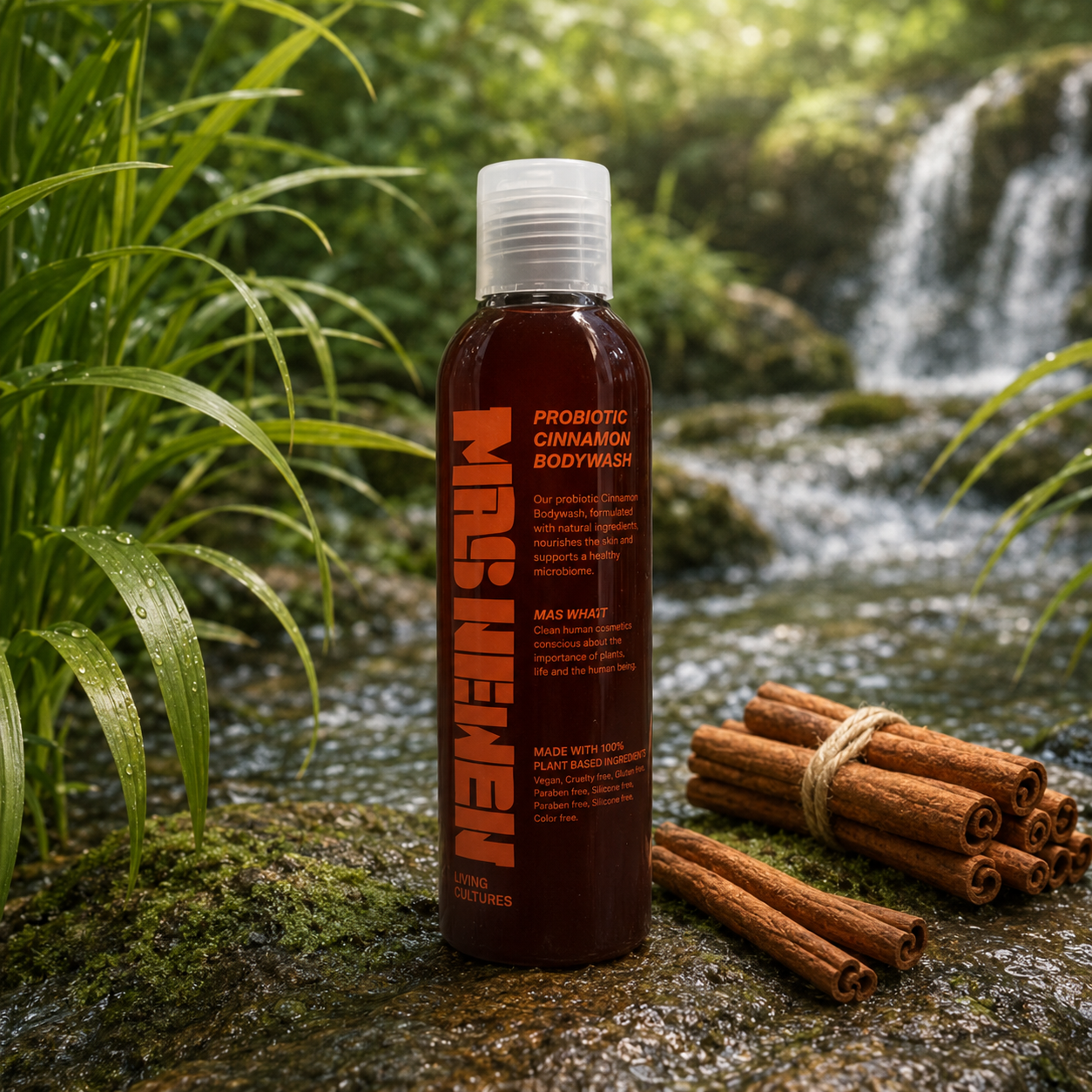

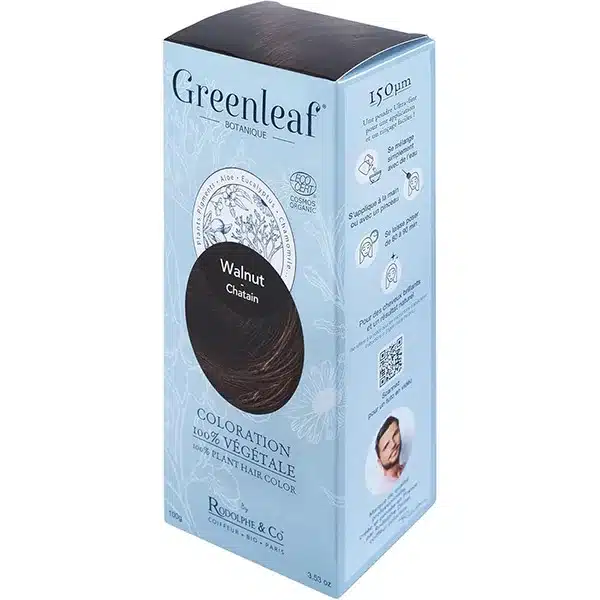
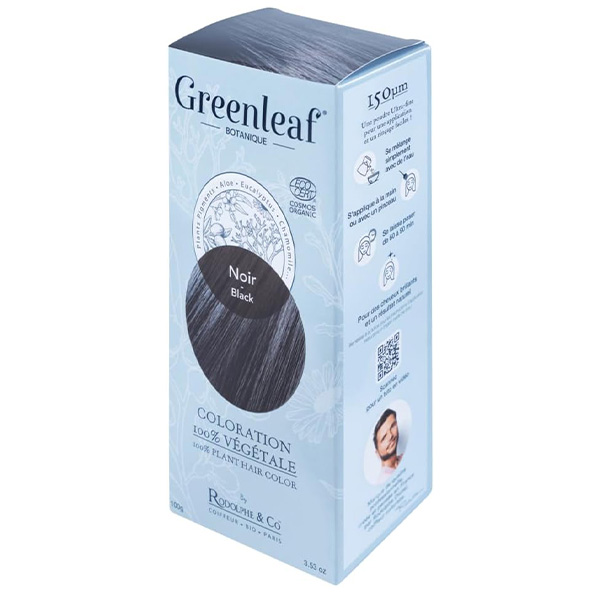
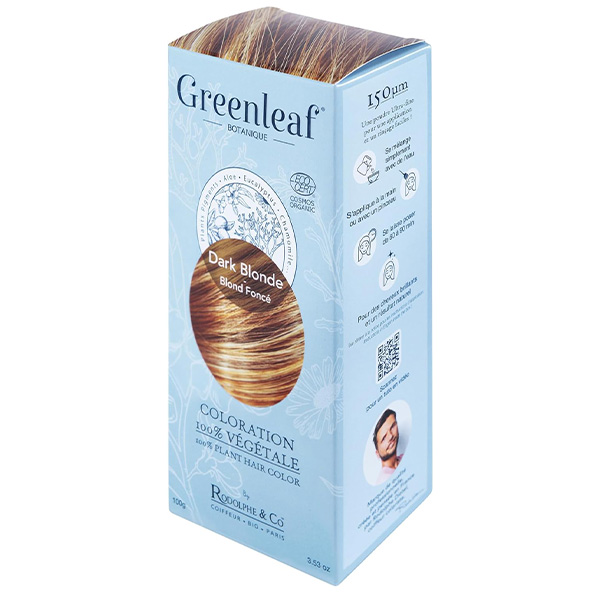
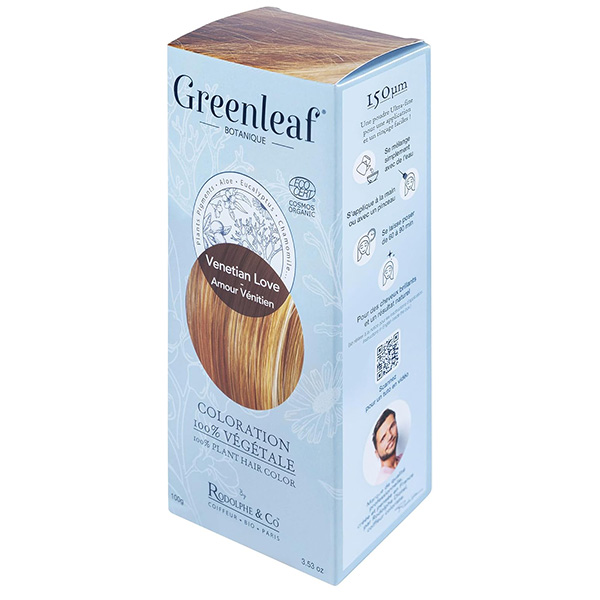
The products above have been selected for suitability for sensitivity, irritation and mild itching. They cleanse gently, often contain fewer irritants and are designed to support your scalp's natural balance.
This is how to care for a sensitive scalp in practice
In addition to choosing appropriate products, it helps to adjust your routine slightly:
- Wash with lukewarm water instead of hot.
- Use a small amount of shampoo, massage gently and rinse well.
- Apply conditioner only to the lengths and ends.
- Blow-dry at a lower temperature and do not hold the hair dryer directly on the scalp.
- Keep your routine simple for a while, without new products every week.
When should you be extra alert?
A sensitive scalp is usually easy to soothe, but watch out for:
- persistent or severe redness and pain
- Wounds, scabs or blood from scratching
- sudden hair loss combined with sensitivity
- no improvement after several weeks of mild care
In those cases, it is wise to have a doctor, skin therapist or dermatologist look at it with you.
Read also:
Irritated scalp
Itchy scalp
Flakes
Dry hair
Conclusion: sensitive scalp requires rest and gentle care
A sensitive scalp can have a lot of impact on how you feel, but with mild products and a gentle routine, much improvement is often possible. By avoiding stimuli as much as possible and caring for your scalp gently, the skin has a chance to feel more comfortable again.
Recognize yourself with a sensitive scalp that reacts quickly to shampoo, styling or temperature? Choose mild care above that suits a sensitive scalp.